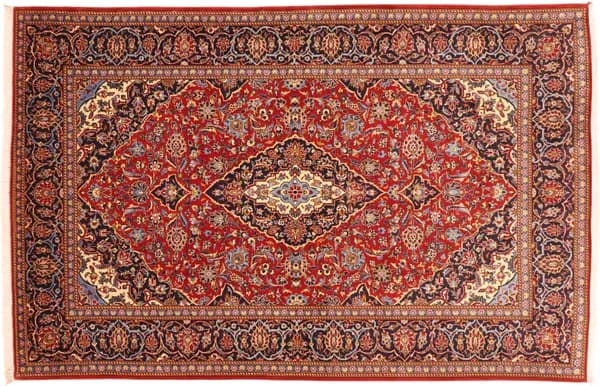
Exclusive
Nain | Exclusivewith silk
243 × 164 cm
3.600 €

A Symbol of Persian Elegance
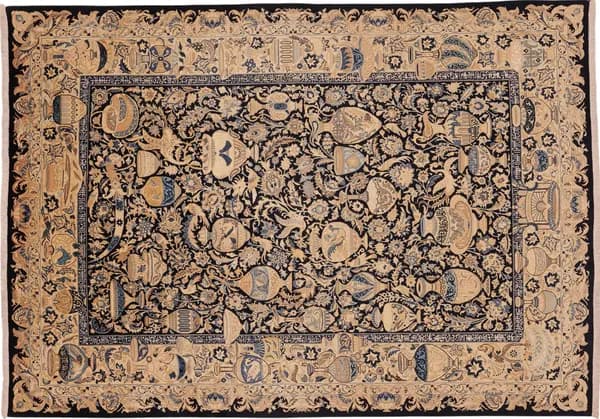
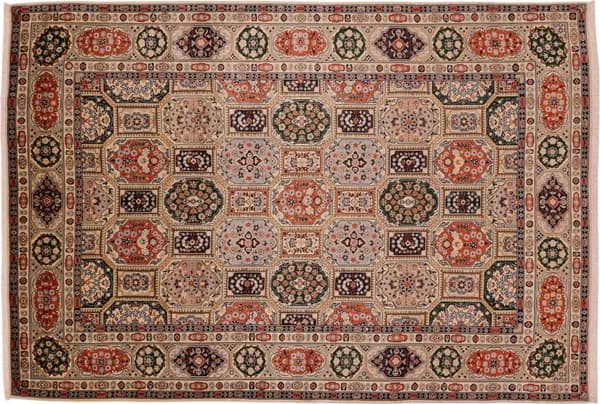
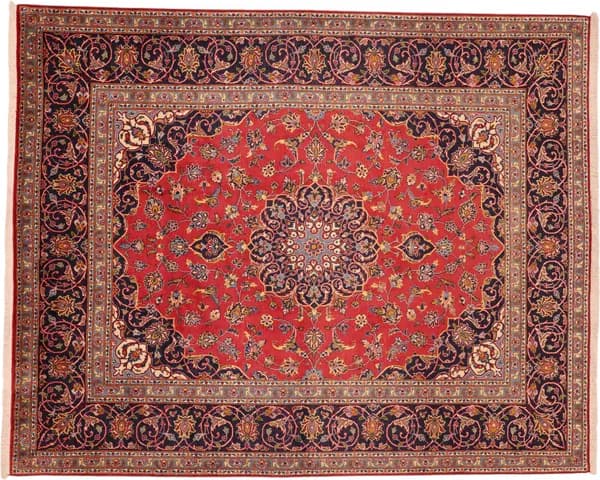
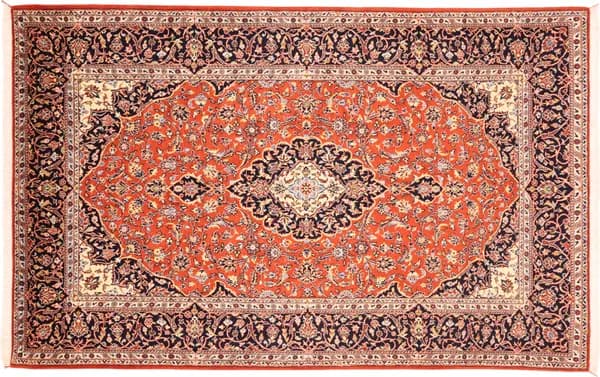
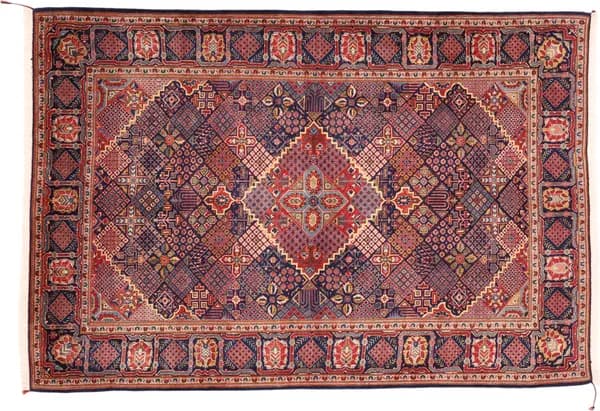
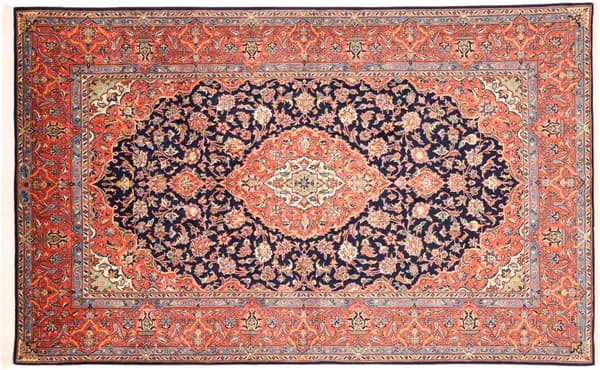
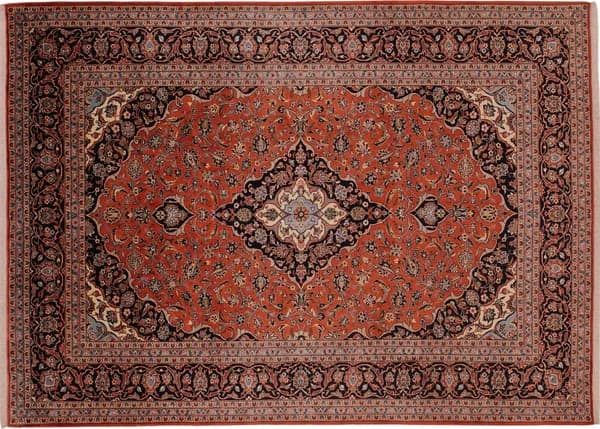
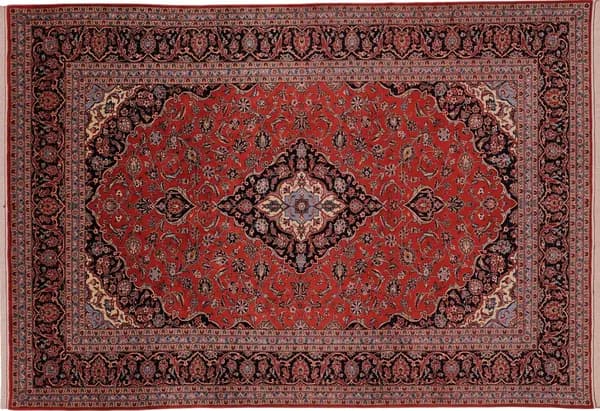
Kashan sits at the edge of the Dasht-e Kavir desert in central Iran, an unlikely location for one of the world's great weaving traditions. Asymmetric Persian knot on a cotton foundation, with a neatly clipped, velvety wool pile at around 250,000 to 500,000 knots per square metre. The signature aesthetic is immediately recognisable: a deep crimson or ivory ground with a poised central medallion, delicate arabesques spiralling outward, and a precisely ordered border system. Every element is in perfect balance.
The Mohtasham period (roughly 1870s–1920s) represents Kashan's golden age, rugs from this era, often signed by the master weaver, are among the most sought-after antique Persian carpets in the world and are highly prized by collectors today. The city traces its carpet-weaving heritage back to the Safavid period (16th–17th century), when Kashan court carpets were among the most prized in Persia.
Modern Kashan rugs maintain the high standards of draughtsmanship and knotting. They are the definitive formal Persian rug, equally at home in a traditional setting or as a statement piece in a contemporary interior. Mid to high range; Mohtasham antiques are prized collector pieces.
Also known as
Keshan, Kaschan, Keschan
Qom · Isfahan · Nain
More to Explore