ExclusiveSigned
Rafsanjan | Sherkat-e Farsh
229 × 141 cm
6.300 €
14.400 €
Incl. VAT
In Stock · Ready to Ship
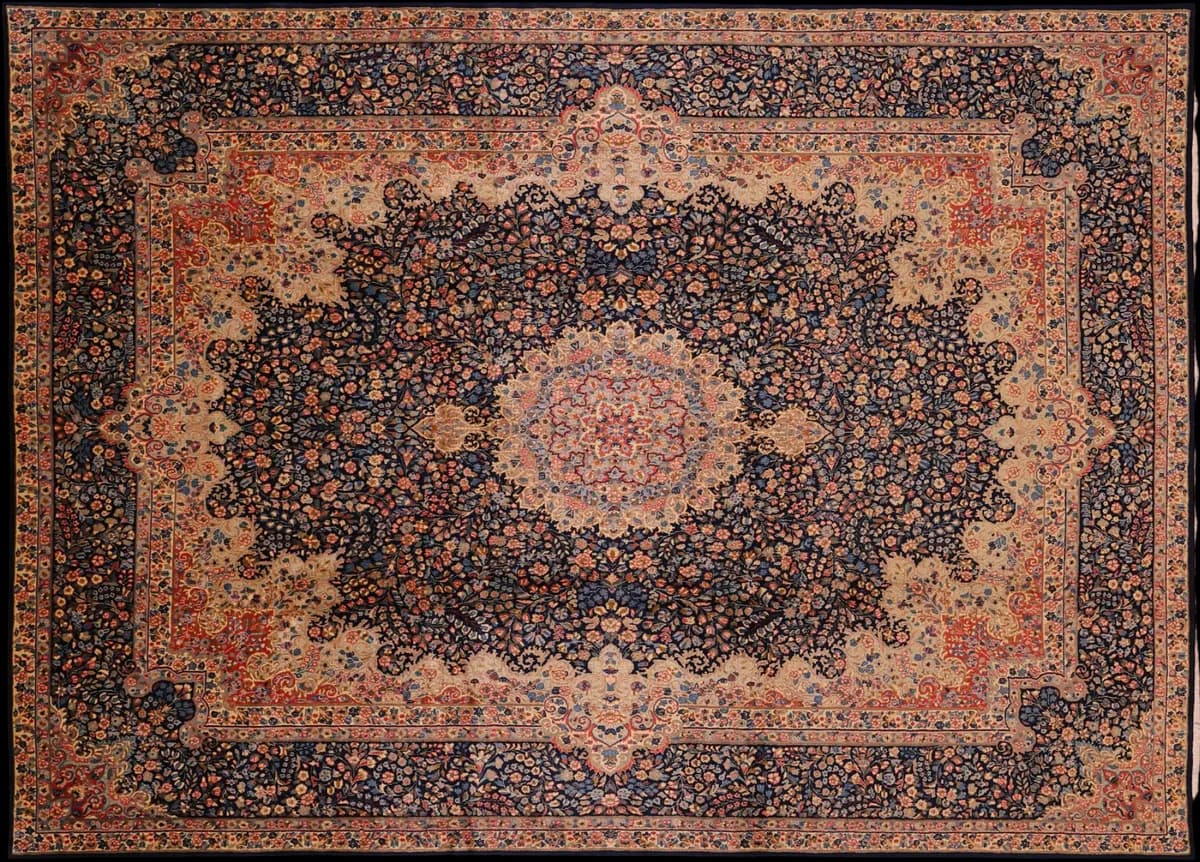
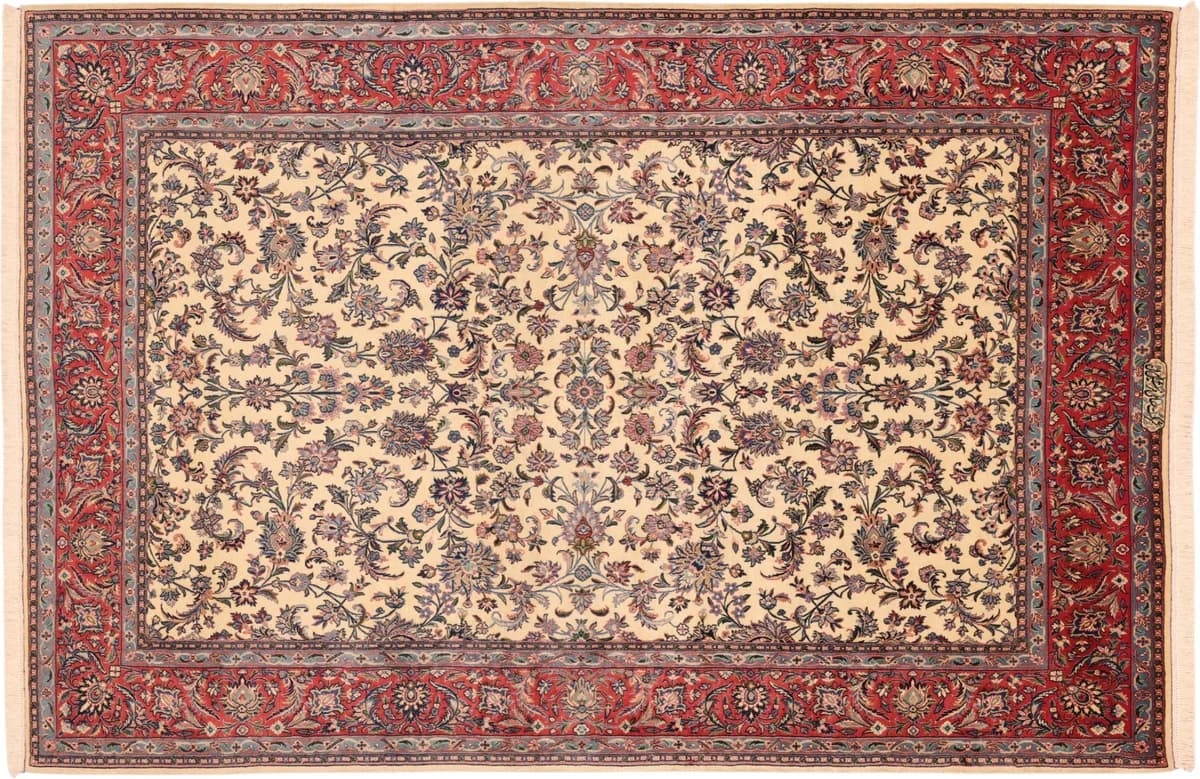
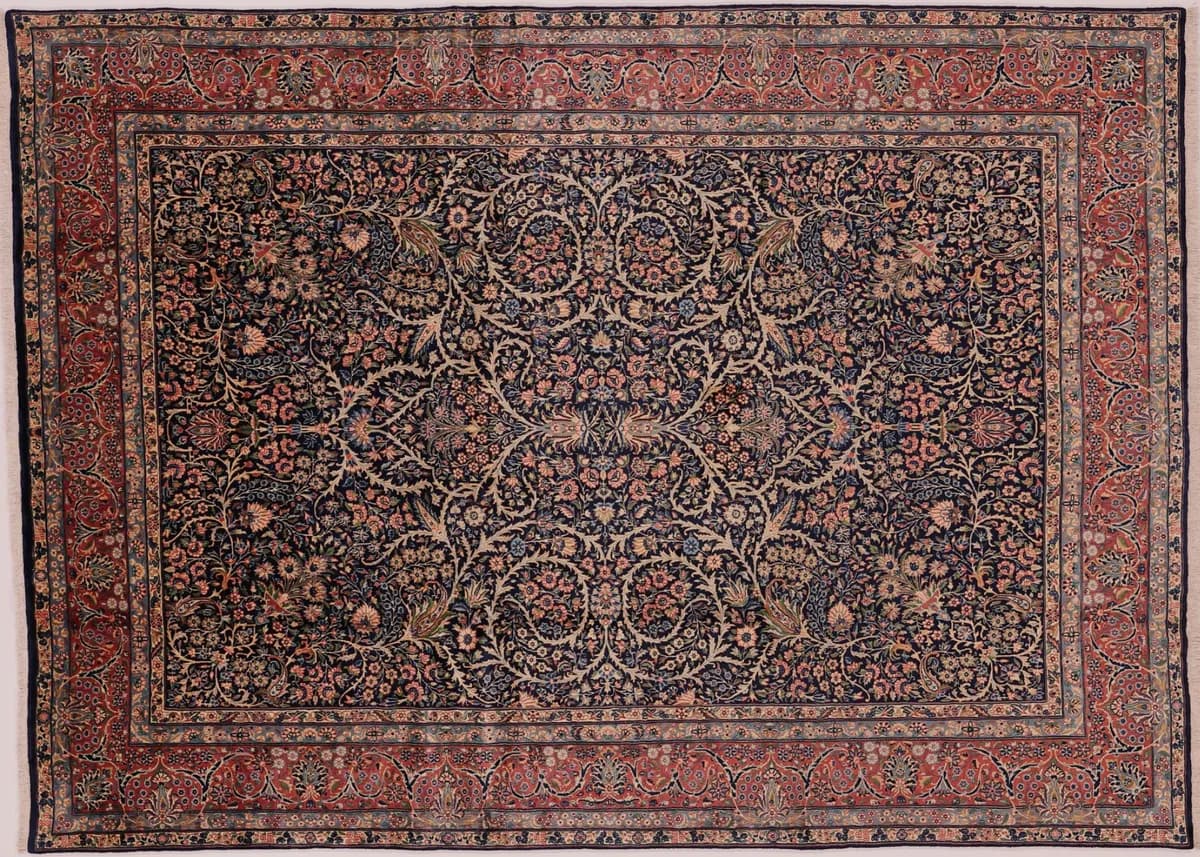
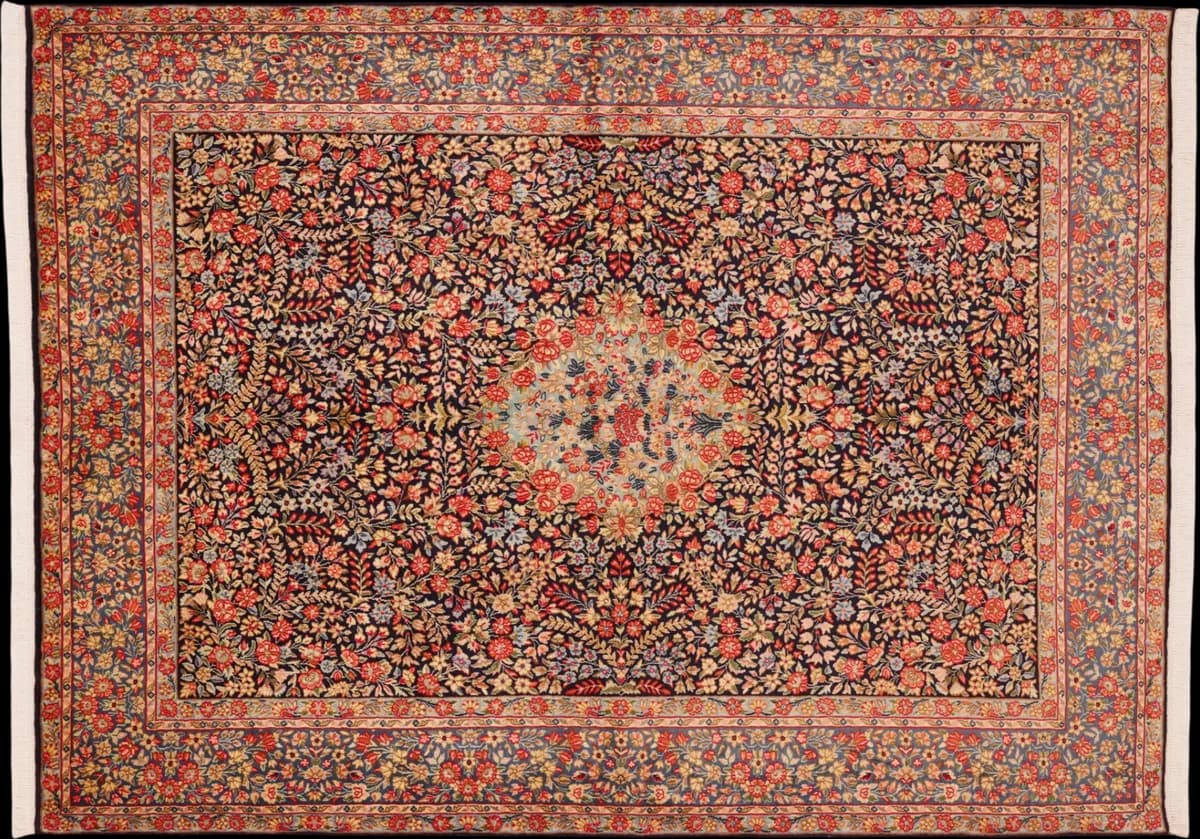
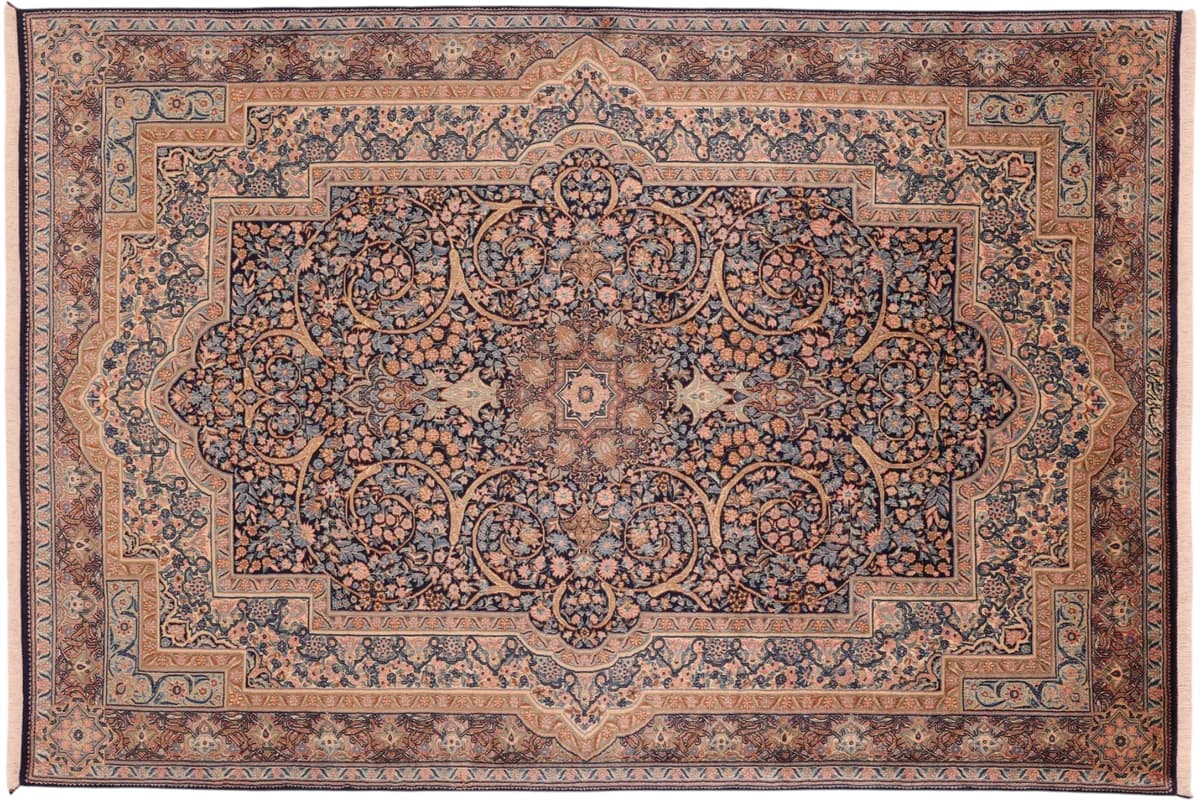
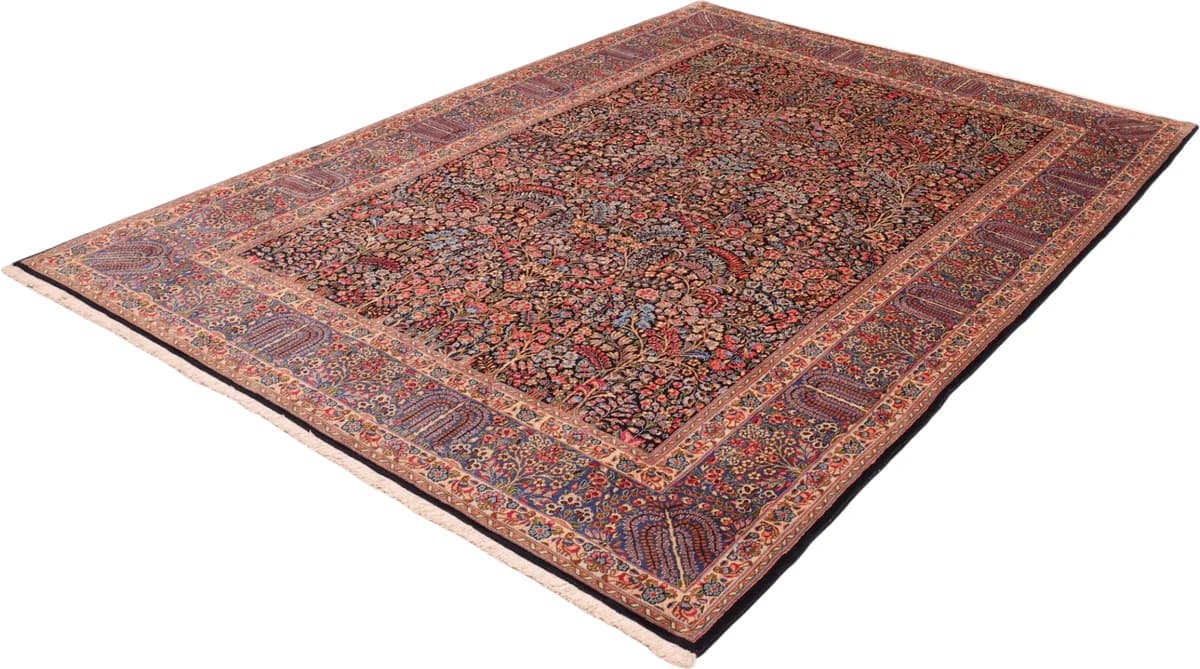
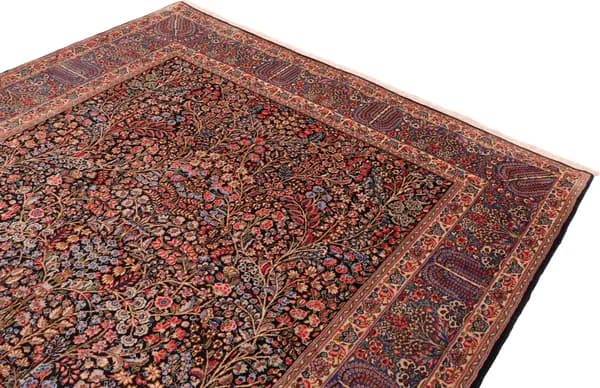
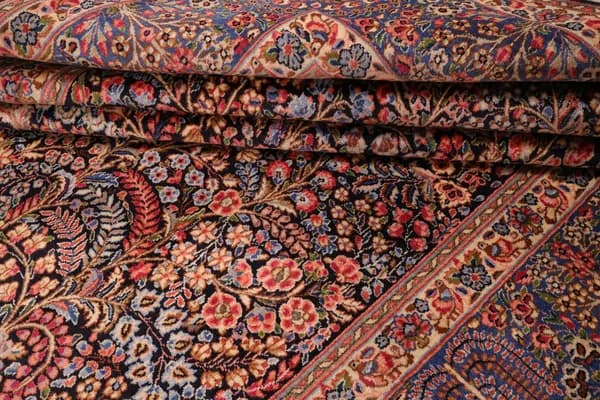
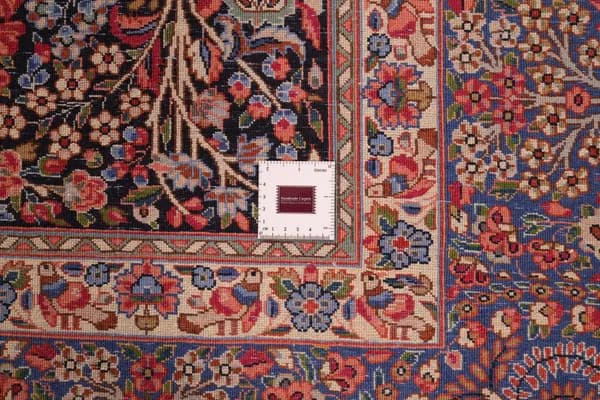
Rafsanjan rugs come from the city and district of Rafsanjan in Kerman Province, southeastern Iran, one of the most important weaving centres in the Kerman region alongside Ravar. Knotted with the asymmetrical (Persian) knot on cotton foundations with the characteristic Kerman three-ply weft structure, they follow the refined floral tradition of this celebrated weaving landscape.
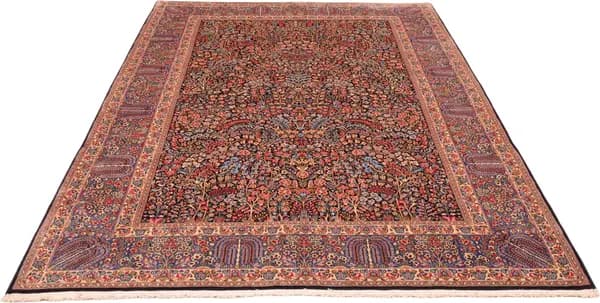
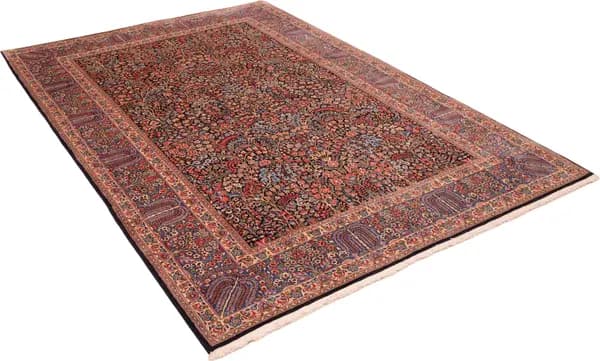
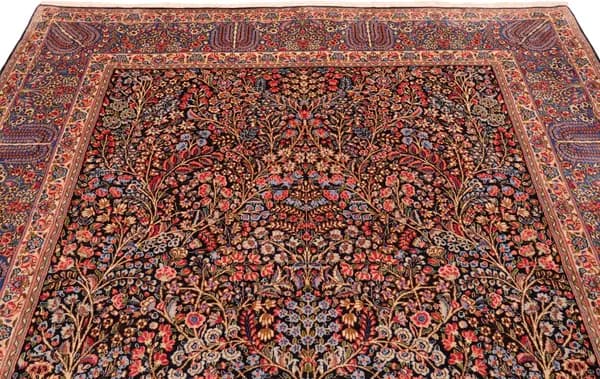
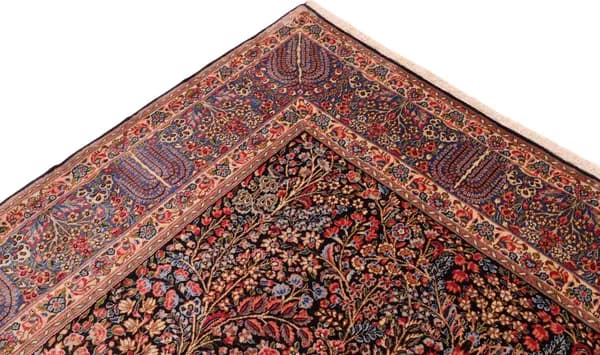
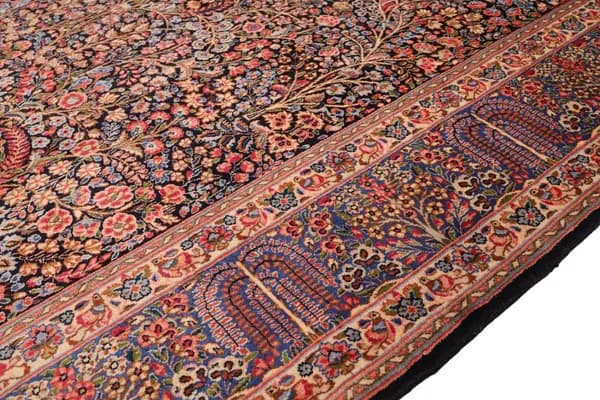
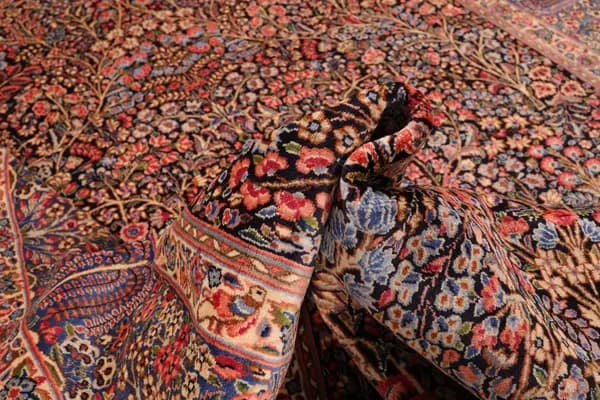
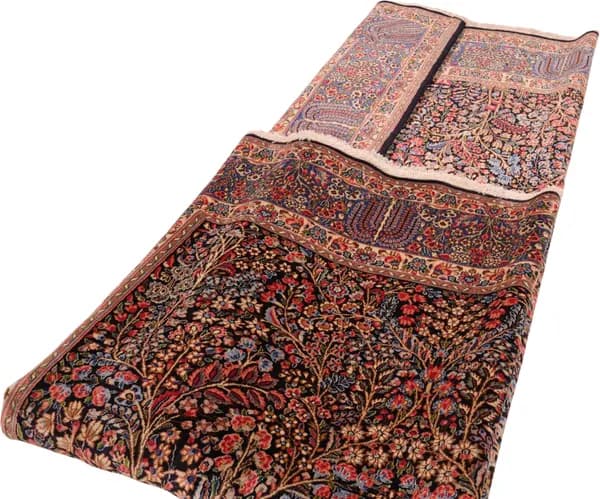
Medallion designs, scrolling vines, palmettes, and all-over floral bouquets dominate. Surrounding villages show notable influence from Nain-style designs, adding a distinctive regional character. The classic Kerman palette and well-balanced compositions sit beautifully in formal rooms. The master weaver has signed this piece, a mark of exceptional quality and pride in their craft.
More on Rafsanjan rugs: origin, making and how to recognise a genuine piece
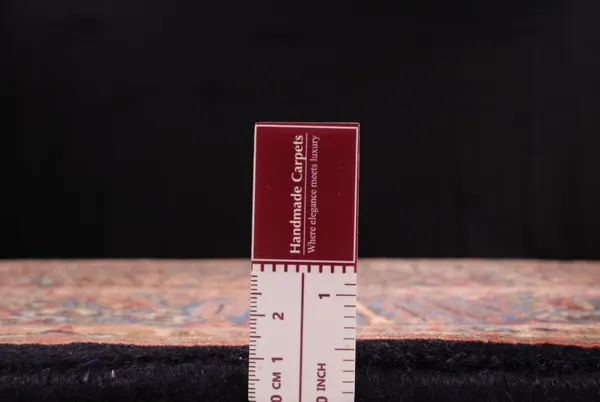
Measuring 294 × 199 cm, with an area of 5.85 m², crafted from Hand-spun Wool, Hand-knotted, this piece is a testament to masterful craftsmanship. The knot density of 501,000 – 640,000 / m² speaks to the extraordinary care woven into every inch.
Preserved in perfect condition, the kerman tradition with a regional signature, classic, balanced, and suited for elegant interiors. As an exclusive piece from our collection, it represents a true collector's item.
Exceptionally fine weave
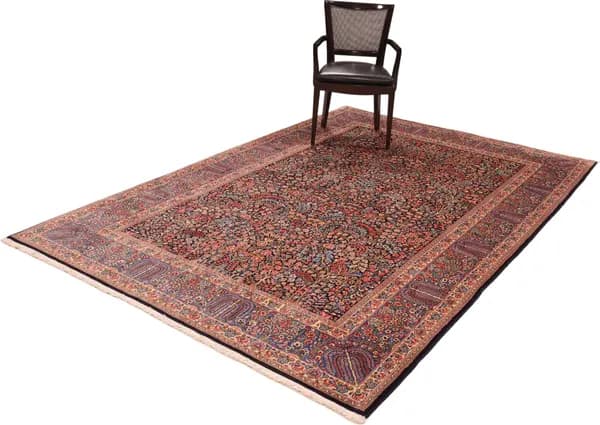
At 294 × 199 cm (5.85 m²) this is a large rug. It sits under a seating group with the front legs of sofa and chairs on it, or under a dining table for four. A table for six wants about 80 cm of clearance all round, and needs more.
Yes, knotted by hand — knot by knot on a loom, not machine-made. The density is 501,000 to 640,000 knots per square metre; across 5.85 m² that is roughly 2.9 to 3.7 million individual knots, every one of them tied by hand.
Hand-spun wool still carries its own lanolin, which keeps liquid sitting on the surface for a moment: blot quickly, with clear water and a light cloth, working inwards and without rubbing. Otherwise regular vacuuming along the pile is enough. Turn the rug once or twice a year so light and footfall reach it evenly.
We are in the Hamburg Speicherstadt. Come and see this rug in daylight, or write to us — a person answers.
Certificate included verifying origin, materials, and craftsmanship.
Ref: 949081