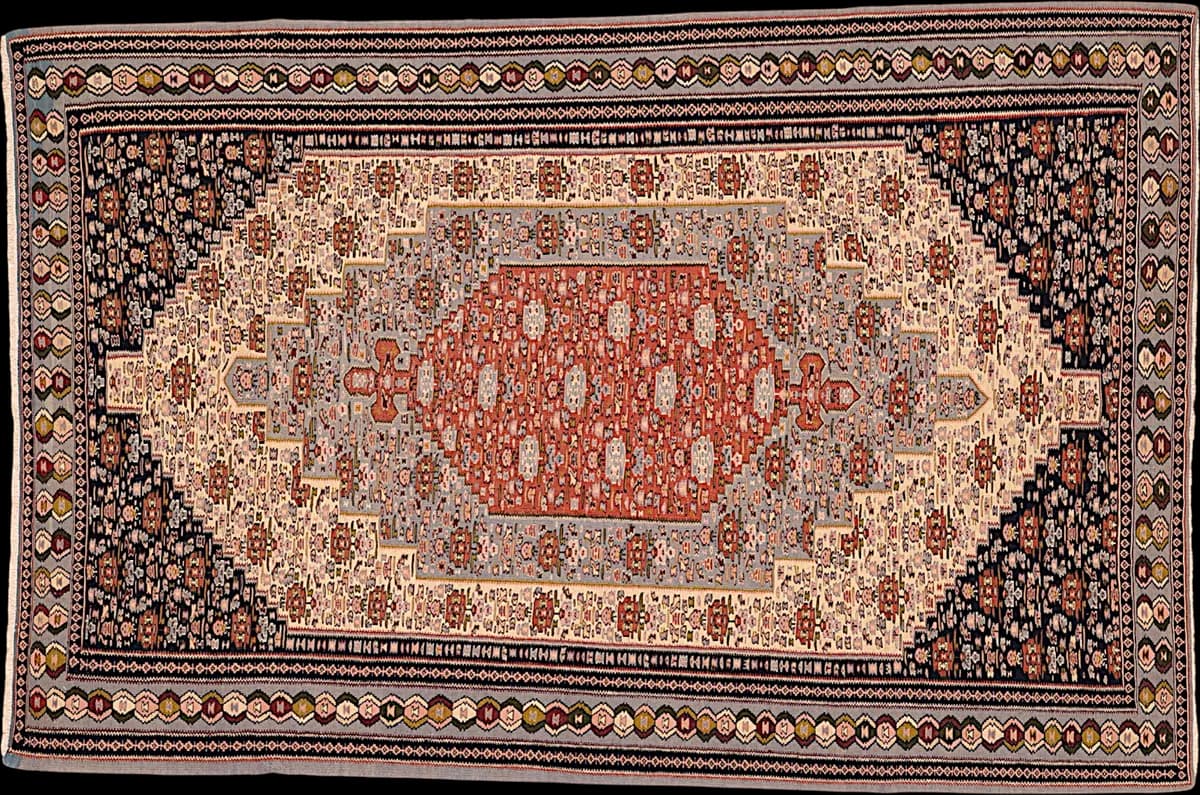
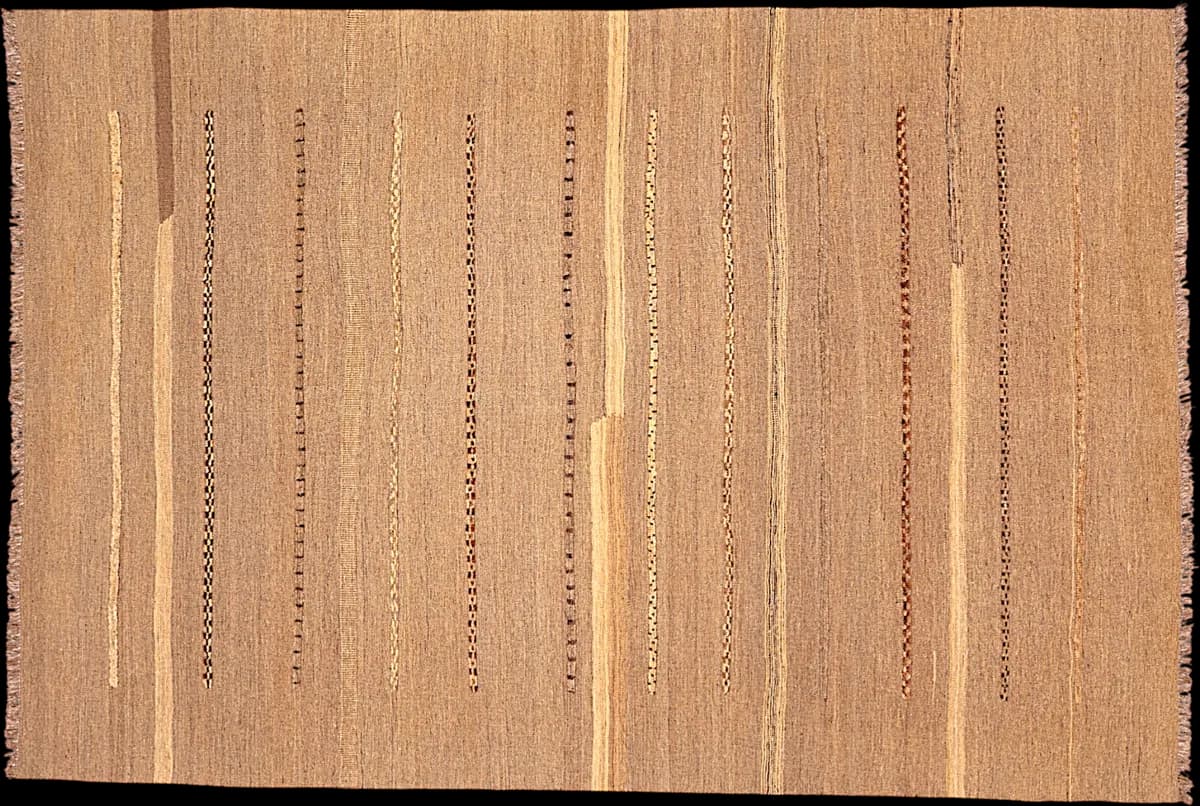
Kelim
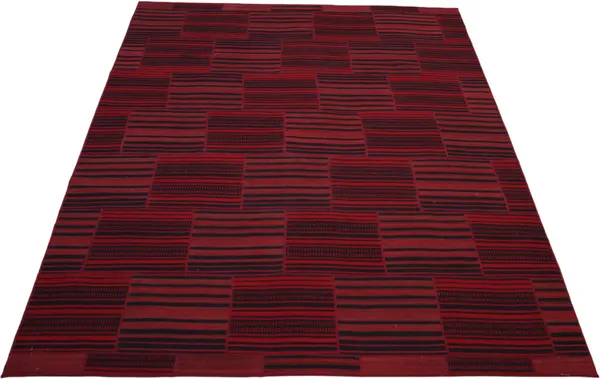
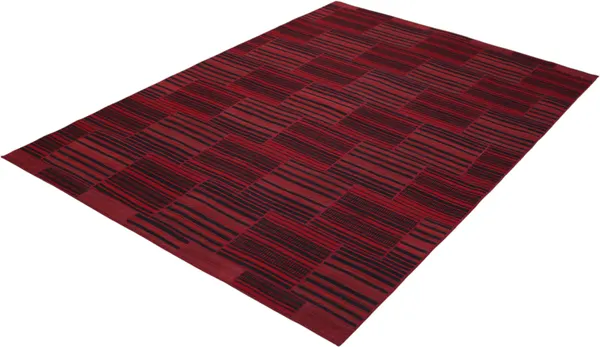
291 × 208 cm
1.361 €
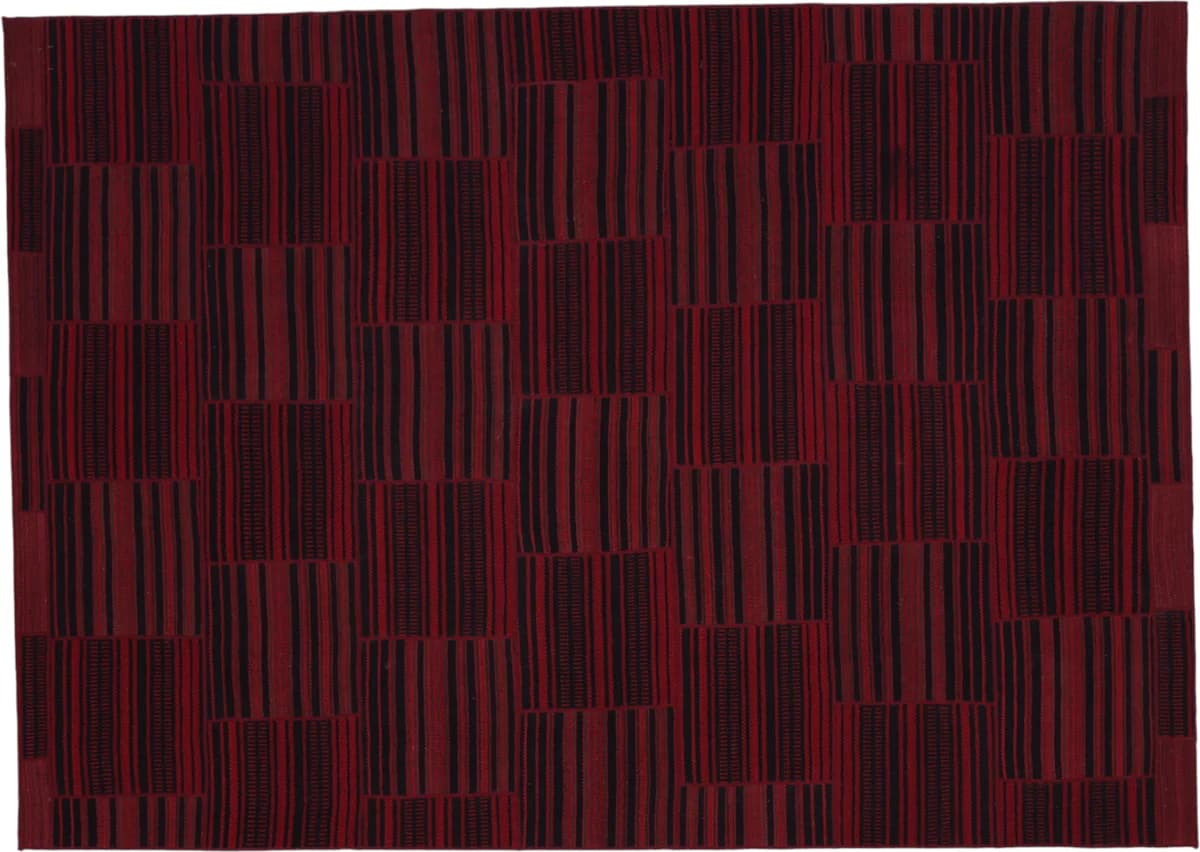
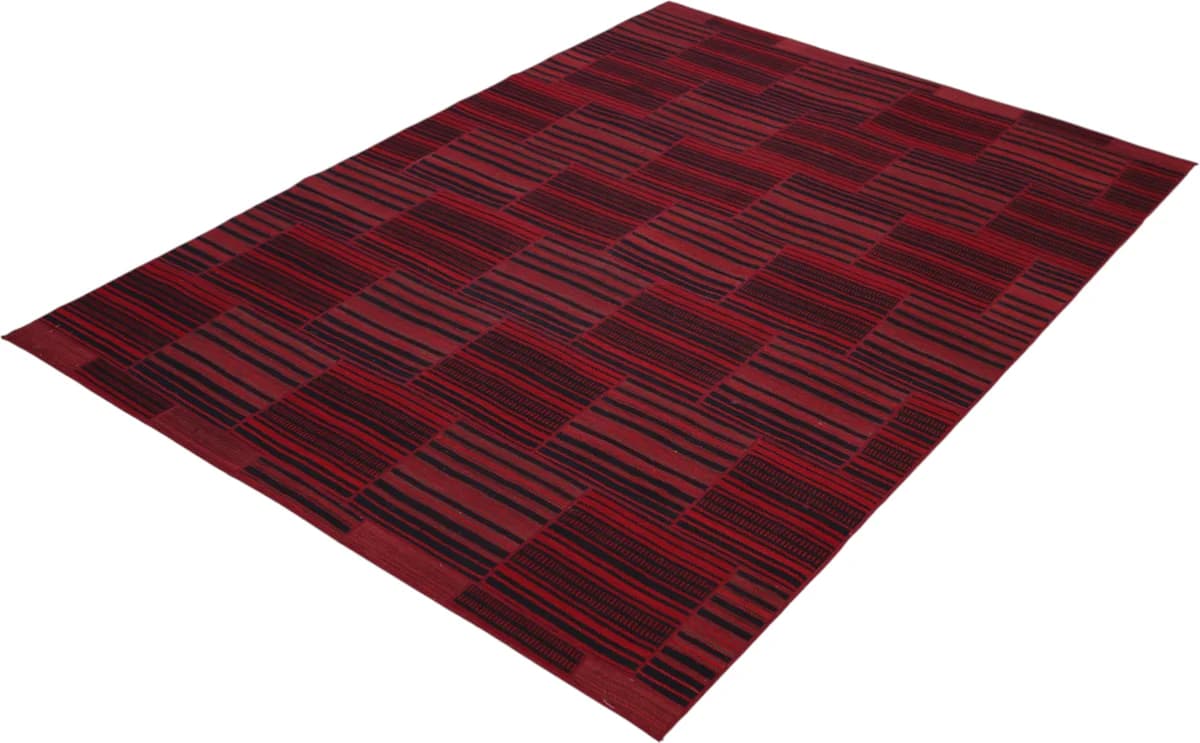
958 €
Incl. VAT
In Stock · Ready to Ship
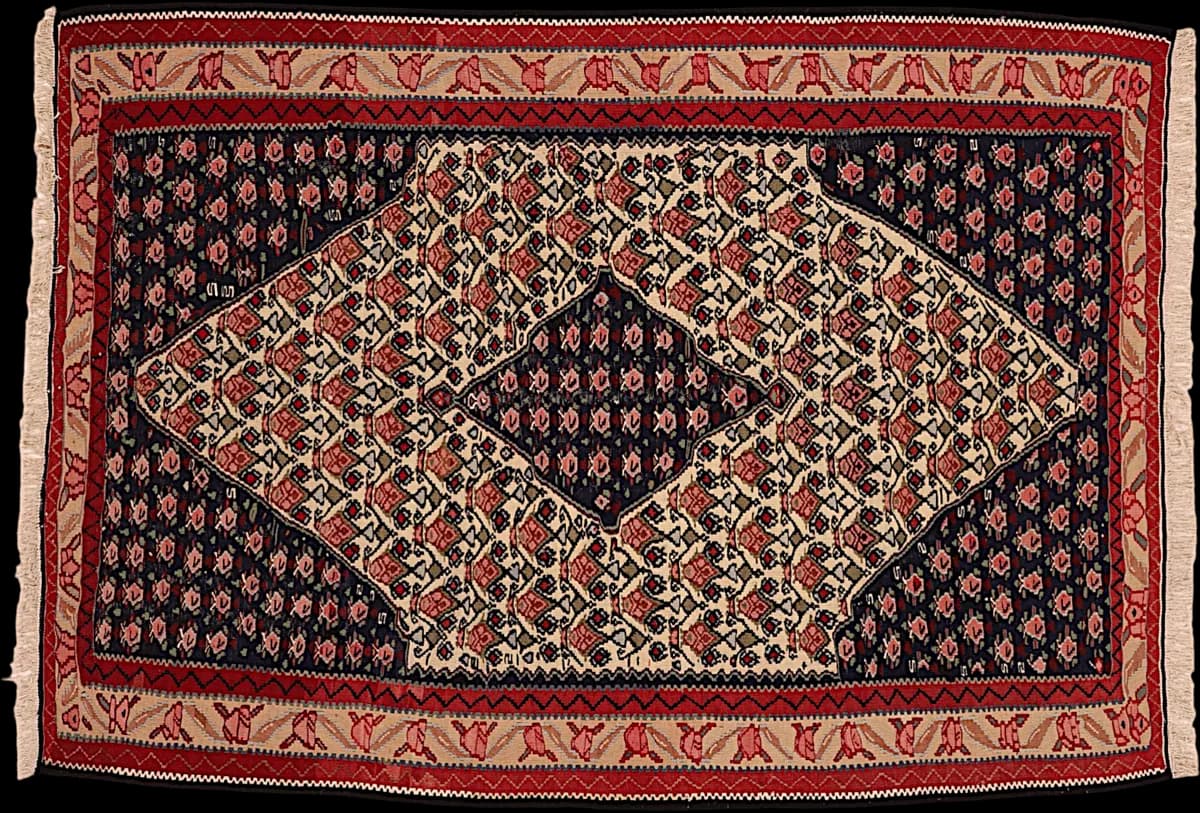
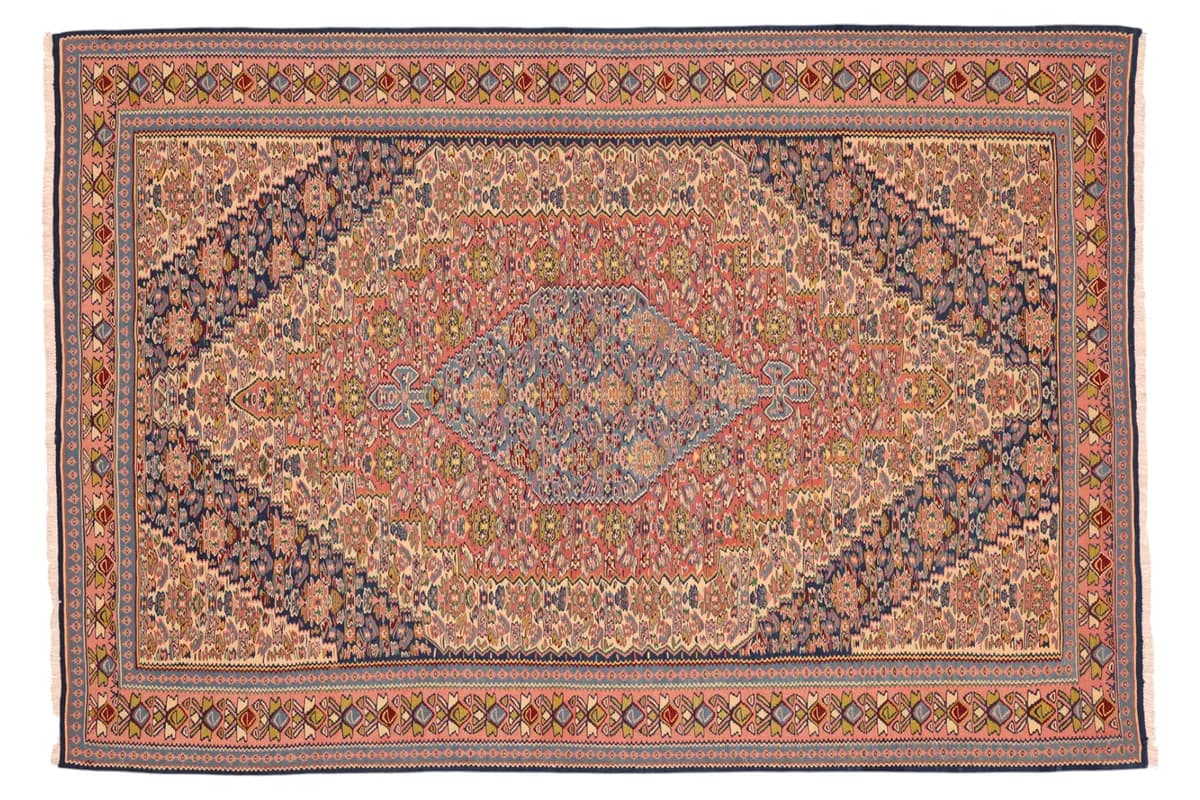
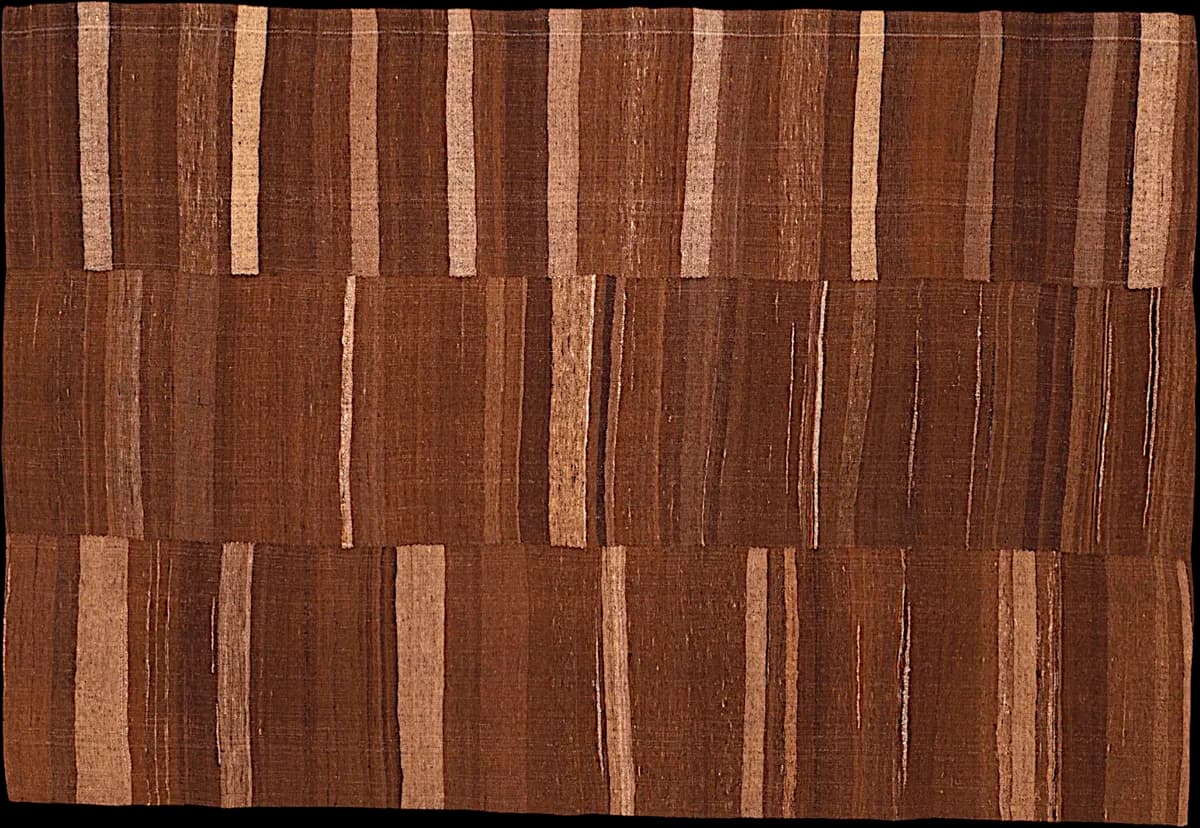
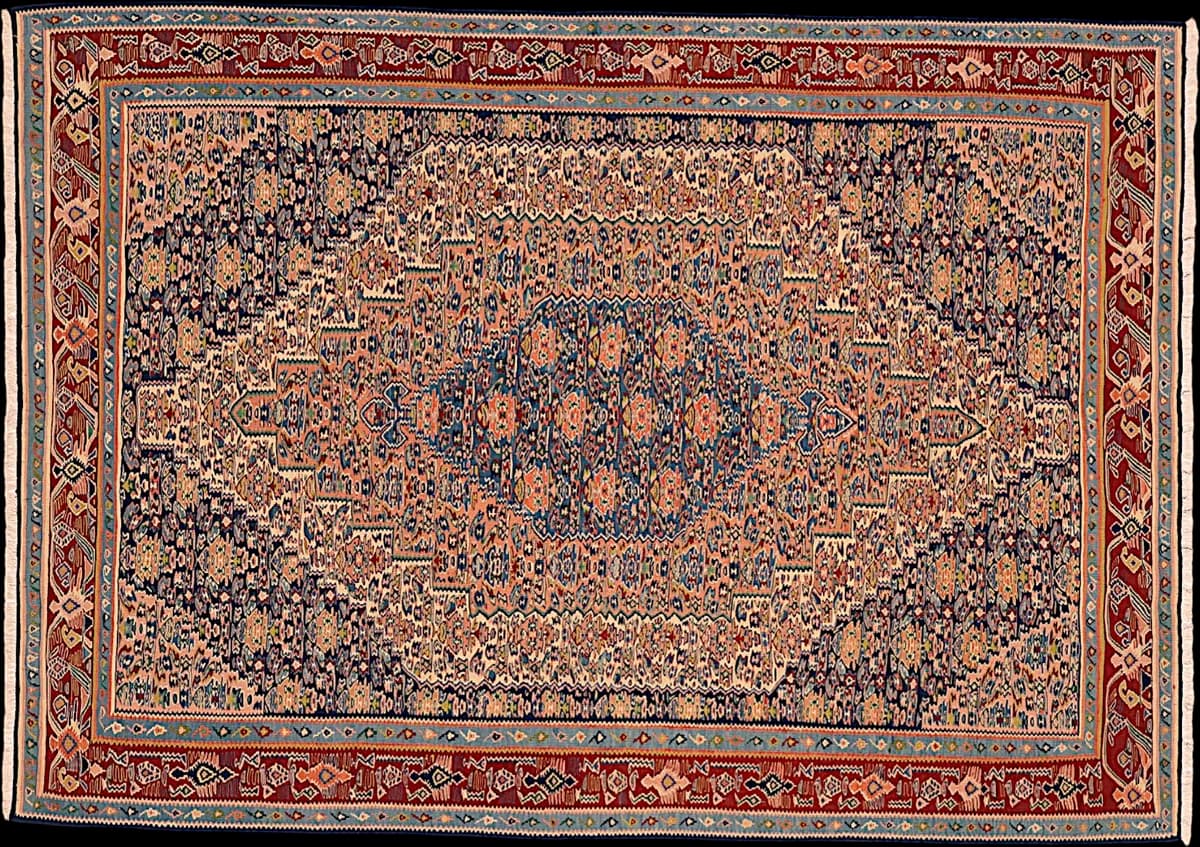
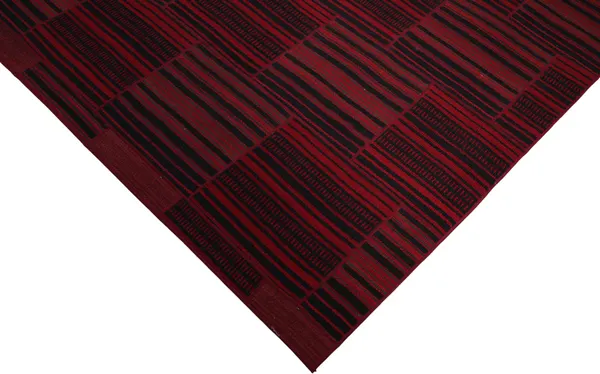
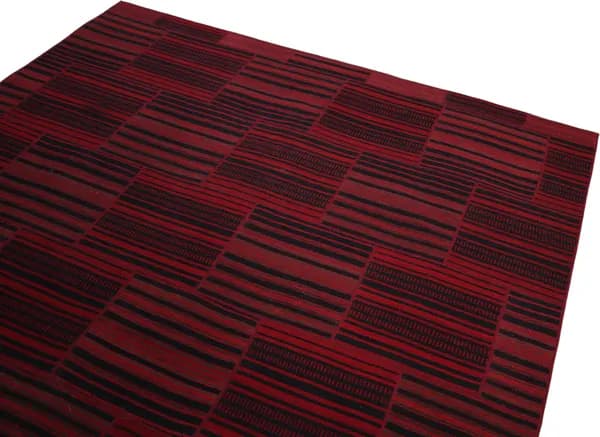
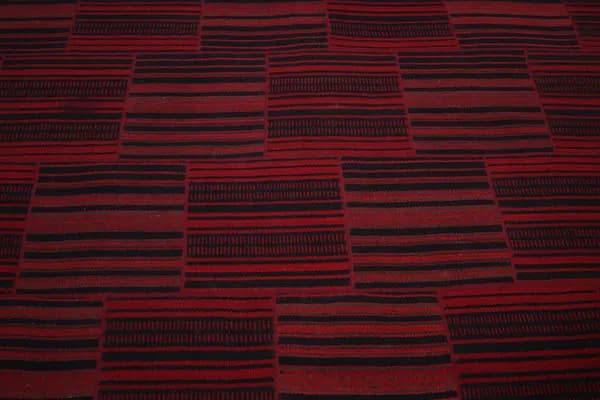
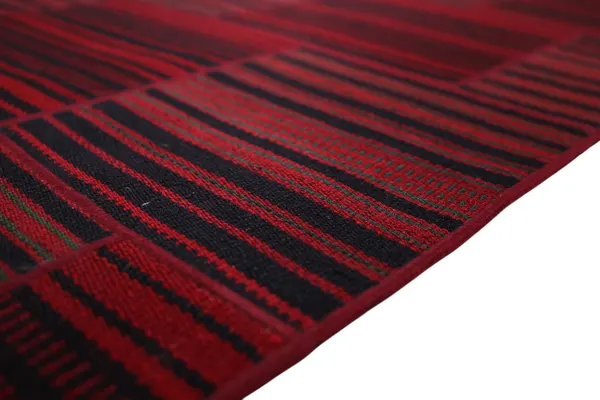
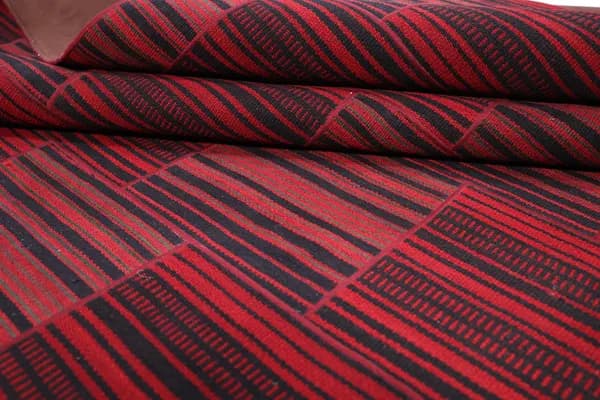
Kilims are flatwoven textiles, woven rather than knotted, produced across Iran, Turkey, and the Caucasus. Unlike pile rugs, kilims have no knots: the weft threads are passed directly over and under the warp to create the pattern. The result is a thin, light, reversible textile with bold, strictly geometric designs that read clearly from both sides.
Patterns and colours identify not just the country but the specific tribe of origin. The flat surface makes kilims lightweight and versatile, historically used by nomads as floor coverings, saddle blankets, wall hangings, and tent dividers. Natural dyes produce enduringly rich colours.
More on Kilims: origin, making and how to recognise a genuine piece
Measuring 236 × 169 cm, with an area of 3.99 m², this piece is a testament to masterful craftsmanship. The knot density of nicht messbar speaks to the extraordinary care woven into every inch.
One of the oldest textile forms in the Near East, versatile for floors, walls, and layering in modern interiors.
Traditional craftsmanship
At 236 × 169 cm (3.99 m²) this is a medium rug. It works in front of a sofa, in front of a bed or in a study. It is too small for a dining table — there you want about 80 cm of clearance so a chair does not tip over the edge when pushed back.
Yes, knotted by hand — knot by knot on a loom, not machine-made.
Hand-spun wool still carries its own lanolin, which keeps liquid sitting on the surface for a moment: blot quickly, with clear water and a light cloth, working inwards and without rubbing. Otherwise regular vacuuming along the pile is enough. Turn the rug once or twice a year so light and footfall reach it evenly.
We are in the Hamburg Speicherstadt. Come and see this rug in daylight, or write to us — a person answers.
Certificate included verifying origin, materials, and craftsmanship.
Ref: 234414