Who the Kashkuli are
The Qashqai are a Turkic-speaking nomadic confederation in southern Iran, still migrating seasonally between the highlands of the Zagros and the plains near Shiraz. The confederation is made up of several tribes, and the Kashkuli are the one with the reputation for the finest work.
That is not a marketing claim; it can be read off the knot count. Where nomadic weaving often sits around a hundred thousand knots per square metre, Kashkuli work reaches two and a half times that. On a portable loom, frequently by a single weaver over months, that is a remarkable thing to sustain.
The double name Lori-Kashkouli points to the close proximity of the Lori, another nomadic people of the same region. The two share pasture, wool and motifs, and in the trade the names have partly merged.
Why the patterns look modern
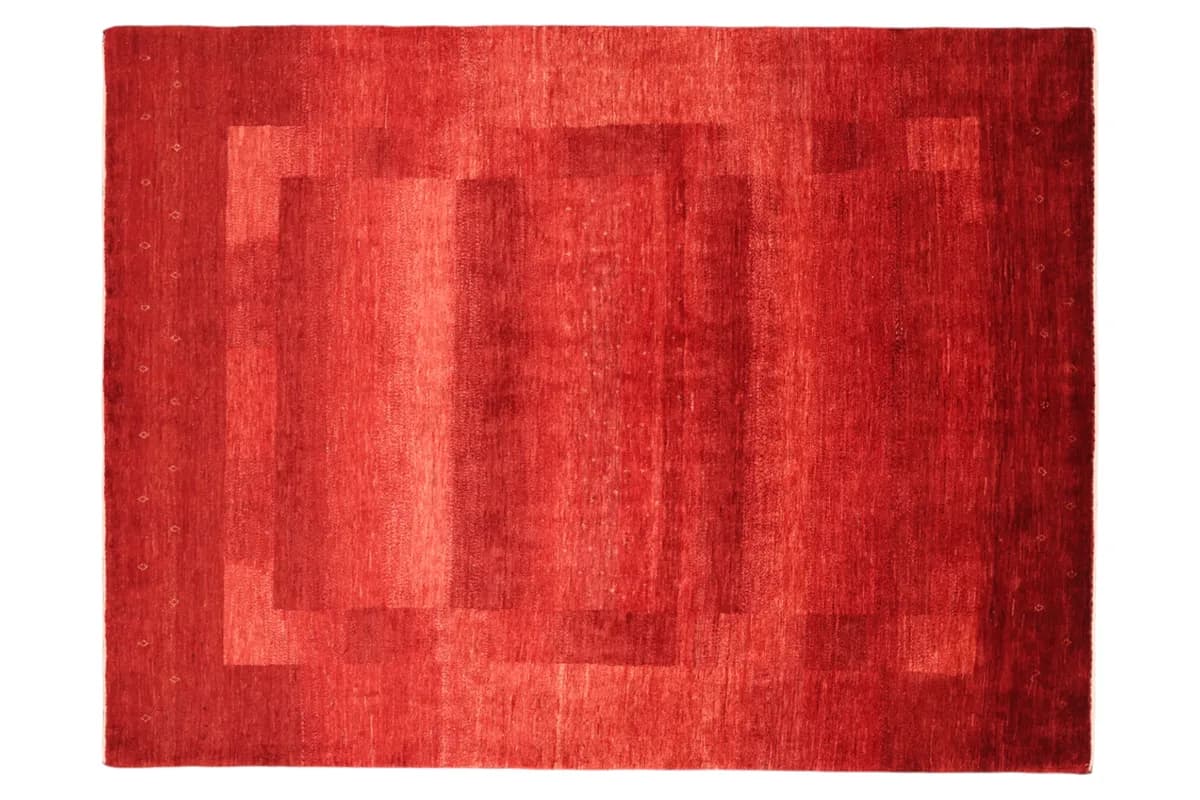
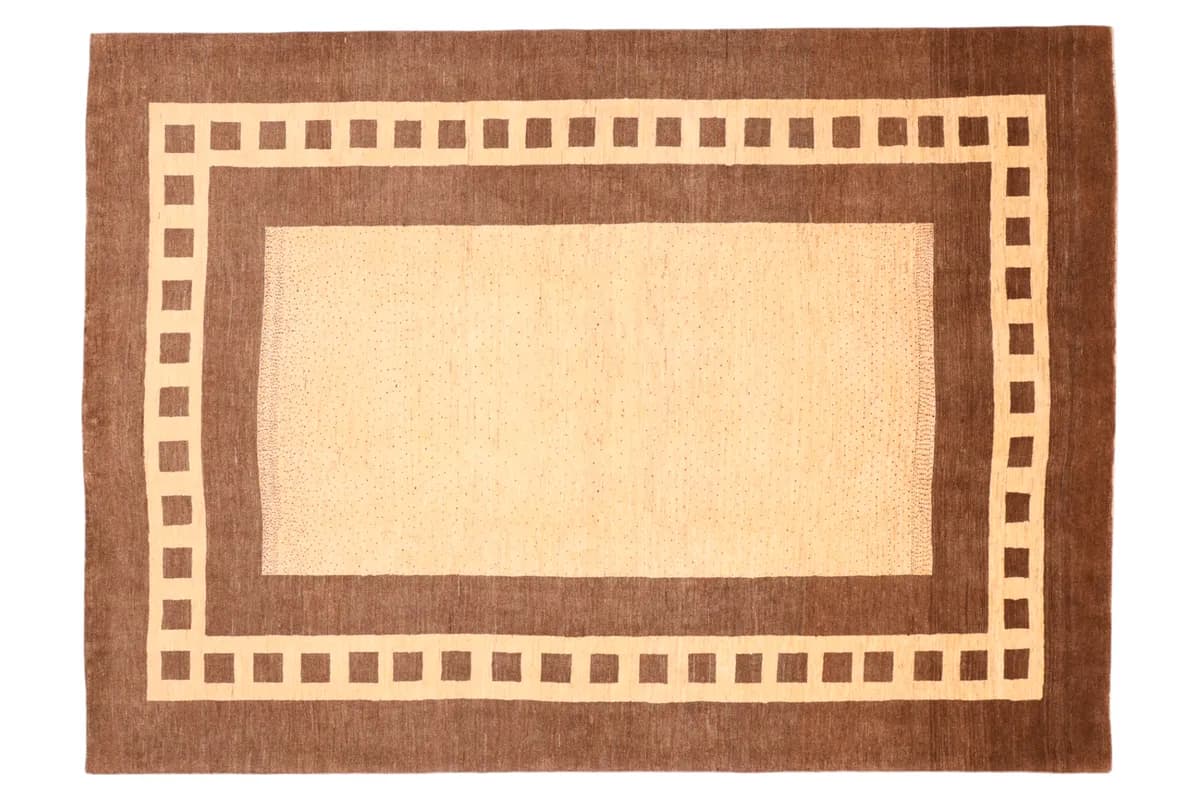
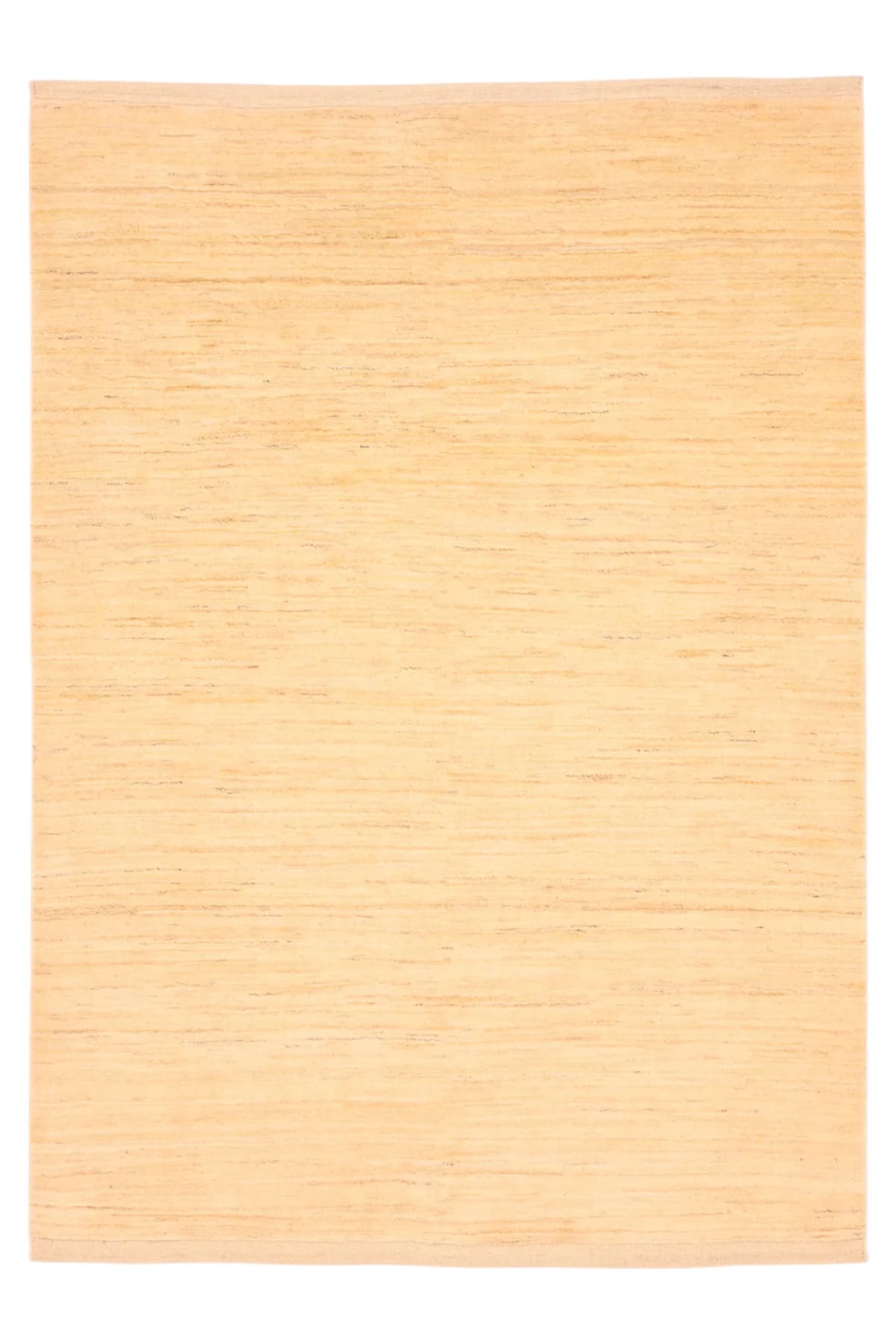
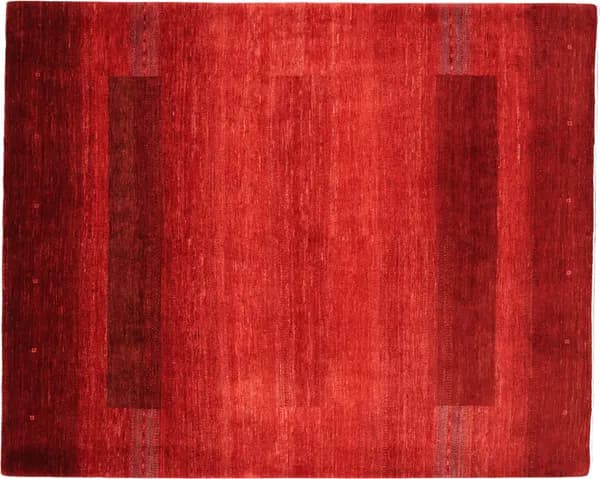
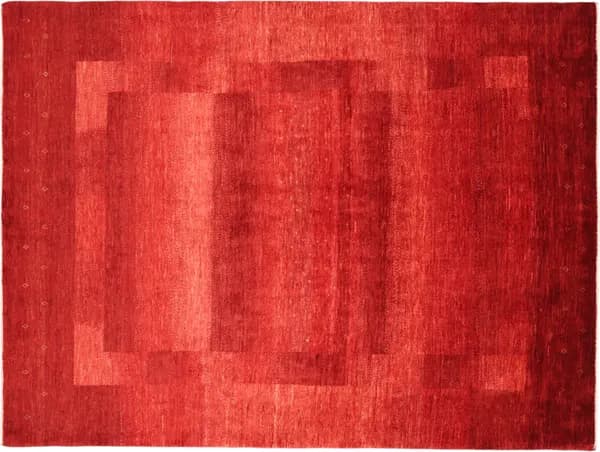
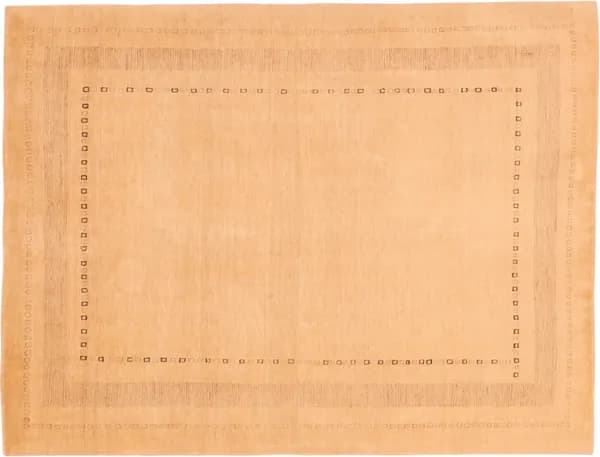
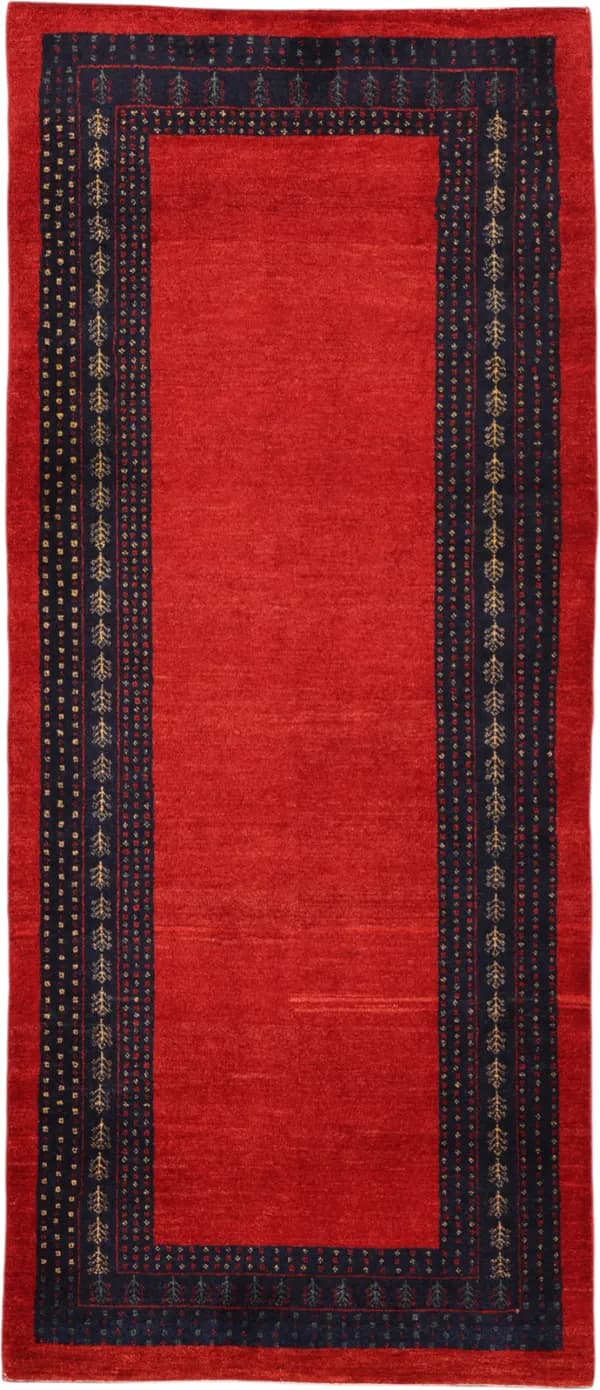
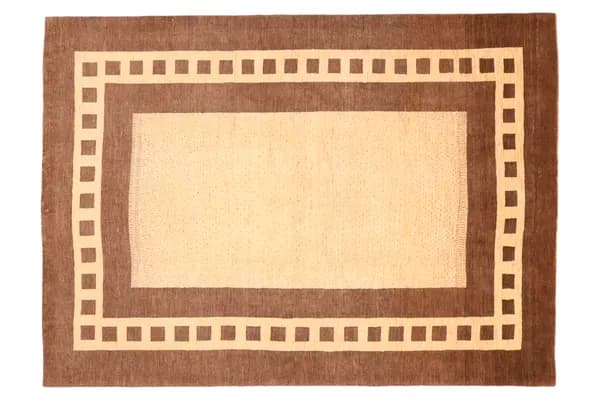
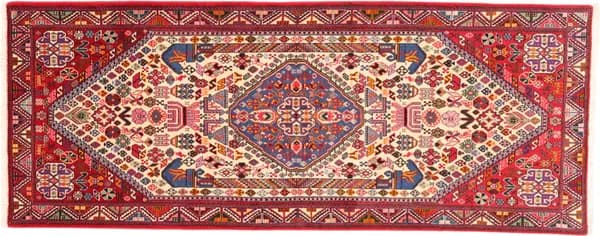
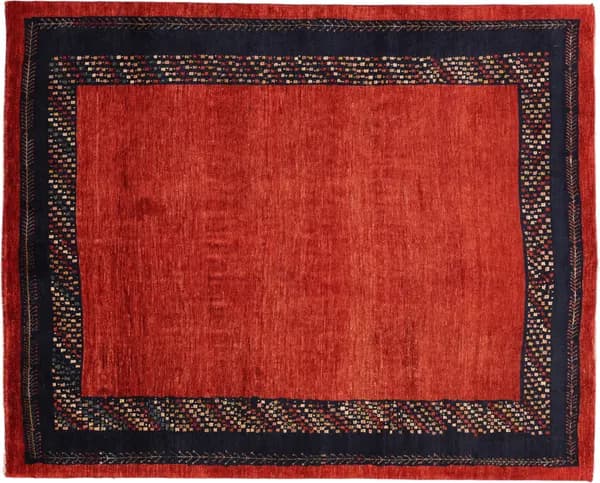
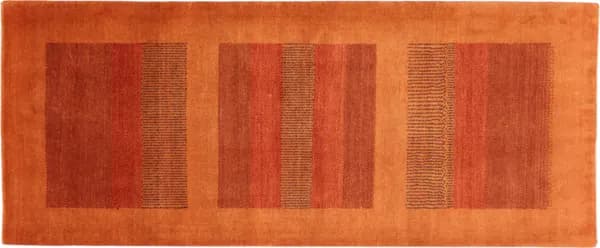
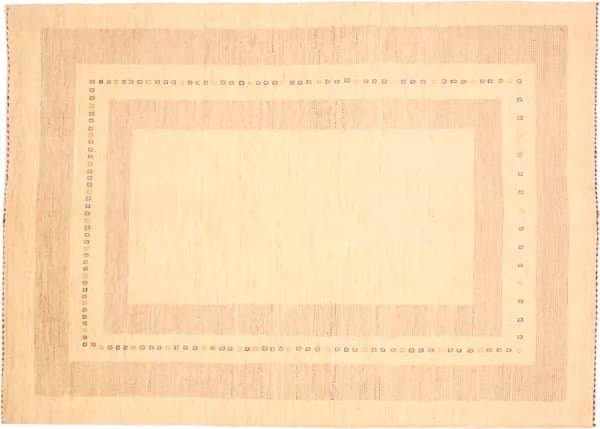
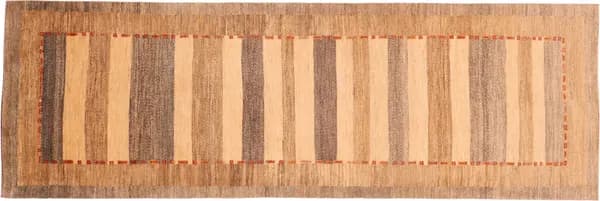
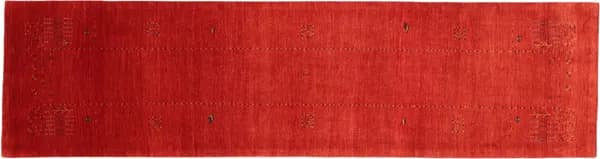
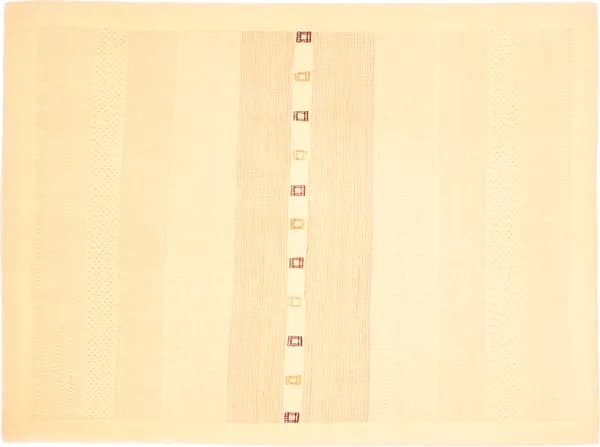
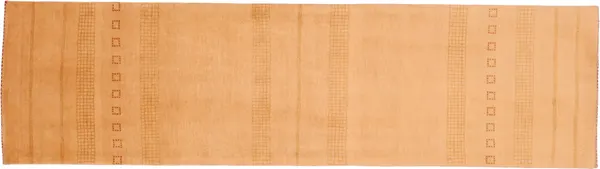
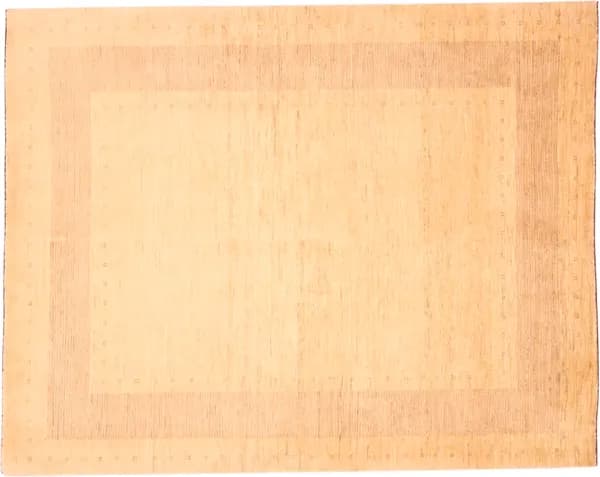
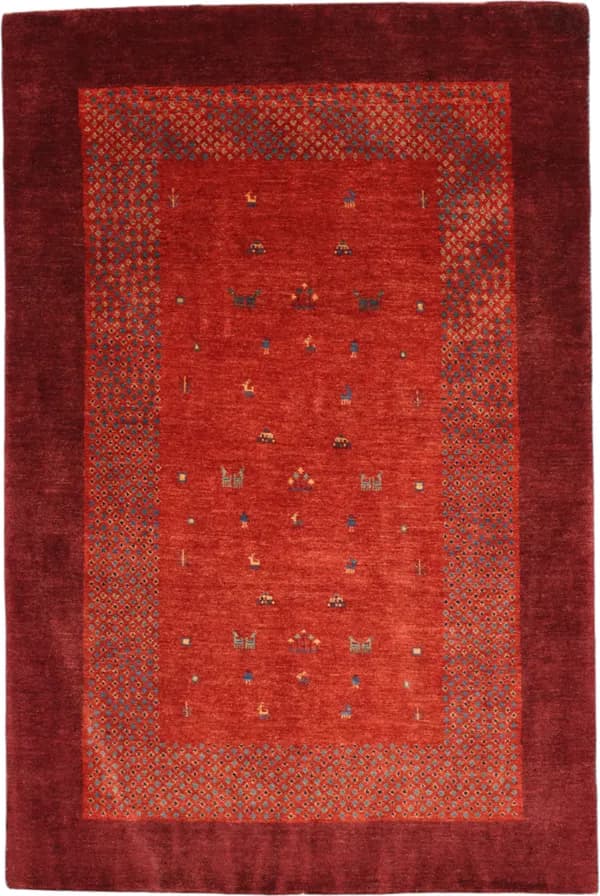
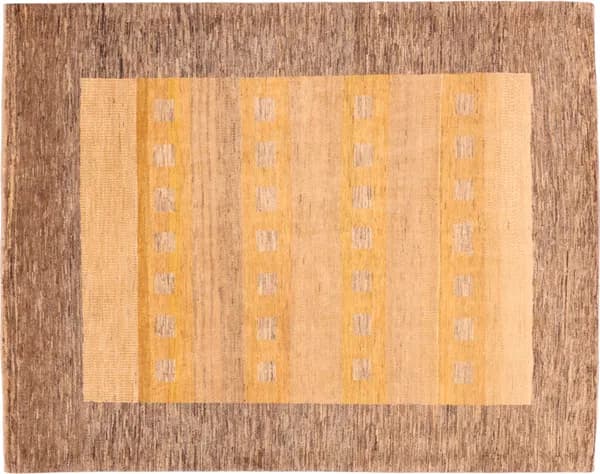
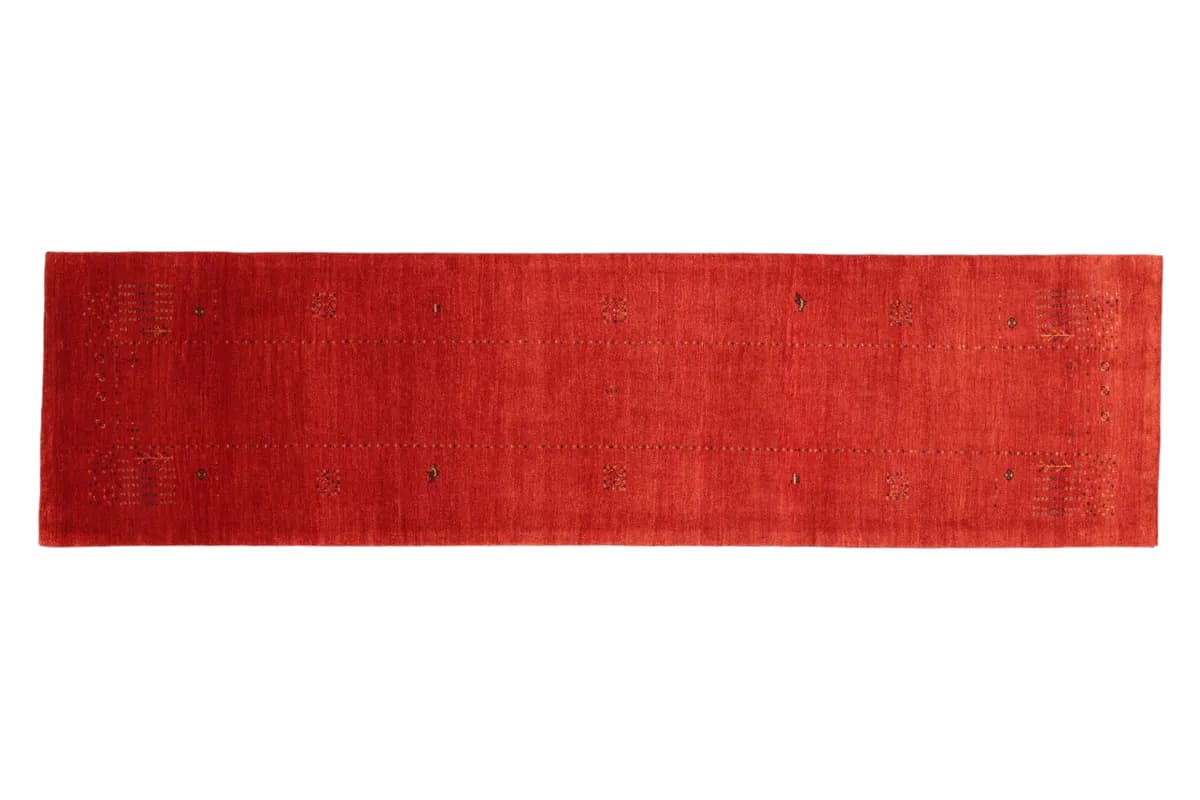
Anyone expecting nomadic weaving expects dense geometric fields, animal figures and strong borders. The Lori-Kashkouli rugs produced today look different: flat colour fields, sparse ornament, a great deal of calm.
That is a deliberate development. For several decades southern Persian weavers have been making for a market that furnishes contemporary interiors, and they have adapted their drawing accordingly. The technique is unchanged — wool warp, handspun wool, portable loom. Only the picture is new.
For a buyer it is an unusually good combination: the construction of a genuine tribal weaving with an image that fits a modern room without reading as a quotation.
- Wool warp rather than cotton — the mark of genuine nomadic work.
- High density for a tribal loom, above two hundred thousand knots.
- Pared-back, flat drawing instead of dense ornament.
- Small to medium formats, roughly 1.5 to 4.5 square metres.
- Recent production — most pieces are under twenty years old.
Which room a Lori-Kashkouli suits
The formats are small to medium. This is the rug for in front of a sofa, beside a bed, in a reading corner or a study — not the rug that furnishes a whole living room.
The restrained drawing makes it one of the few hand-knotted types that does not look out of place in a very modern room. Where a strongly patterned Persian rug dominates a minimal space immediately, a Lori-Kashkouli stays quiet.
The wool warp has a practical side effect: it is more elastic than cotton, so the rug lies softly and drapes. On a very smooth floor the light weight of a small piece means an anti-slip underlay is worth having.
Care
Vacuum along the pile, without a rotating brush. On a wool warp the brush is particularly worth avoiding because it pulls at the fringes and frays them over time.
Blot spills at once with clear water and a light cloth, working from the outside in. Handspun wool with its lanolin gives you a moment before liquid soaks in.
Never comb or brush wool fringes. They are the extended warp and structural — mechanical work weakens them.
Lori-Kashkouli or Lori-Pars?
Both are southern Persian nomadic weavings on a wool warp. The difference is fineness and drawing.
| Criterion | Lori-Kashkouli | Lori-Pars |
|---|---|---|
| Knot density | 201,000 – 250,000 / m² | typically 201,000–250,000 / m² |
| Design | contemporary, pared back | contemporary, often plain |
| Warp | wool | wool |
| Typical size | 1.5 – 4.5 m² | around 3.8 m² |
| Age | mostly new | mostly new |
Common questions
Is a Lori-Kashkouli a genuine nomadic rug?
Yes. The warp is wool rather than cotton, which is the most reliable mark of weaving on a portable loom. That the patterns look modern changes nothing about how the rug is made — the technique is unchanged.
Why does it not look like a typical Persian rug?
Because the weavers have adapted their drawing to contemporary interiors over the past few decades. Flat colour fields and sparse ornament are a design decision, not a simplification of the technique.
What does the double name mean?
Kashkuli is a tribe within the Qashqai confederation; Lori refers to a neighbouring nomadic people of the same region. The two share pasture and motifs, and the names have partly merged in the trade. What is meant is a fine southern Persian nomadic weaving.
How do I recognise the wool warp?
By the fringes. Wool fringes are matt, slightly crimped and softer than the smooth, light cotton fringes of a city rug. They are the extended warp and must be neither combed nor brushed.
Does a rug like this suit a modern home?
That is precisely the point of the type. The restrained drawing stays quiet in a minimal room, where a strongly patterned Persian rug would dominate it immediately — with the construction unchanged.