Old technique, new drawing
Everything about how a Lori-Pars is made is traditional. The loom is horizontal and portable, taken down and re-tensioned as the family moves between summer and winter pasture. The warp is wool because cotton would not survive that. The wool is spun by hand from the family flock and dyed in small batches.
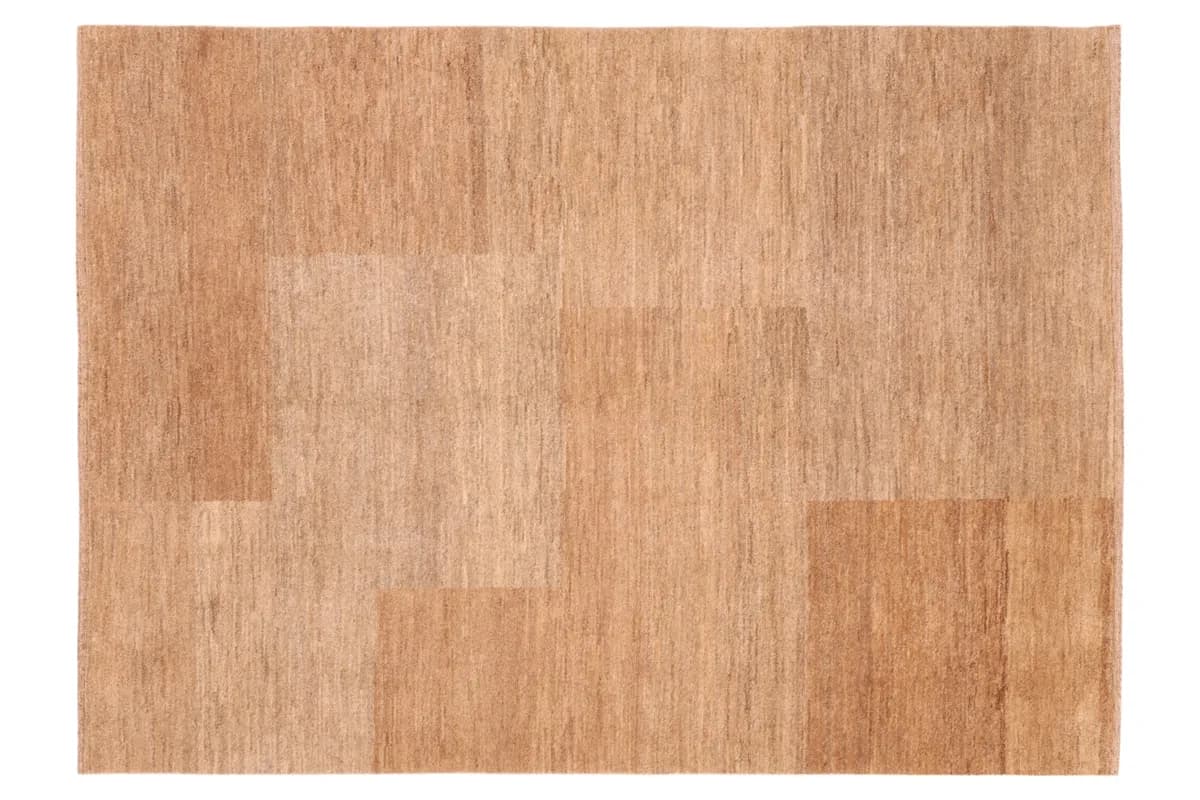
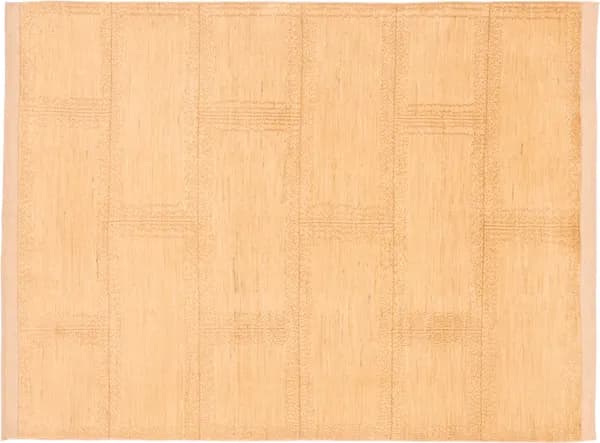
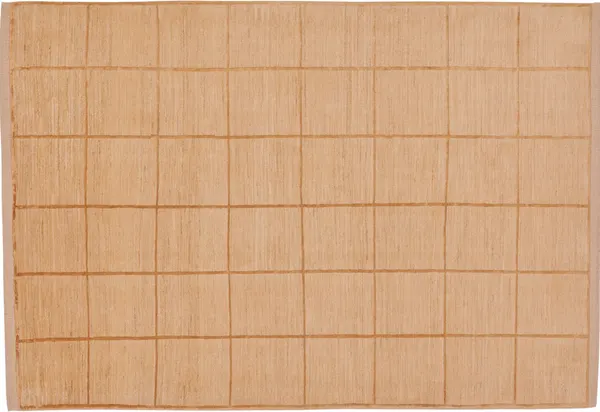
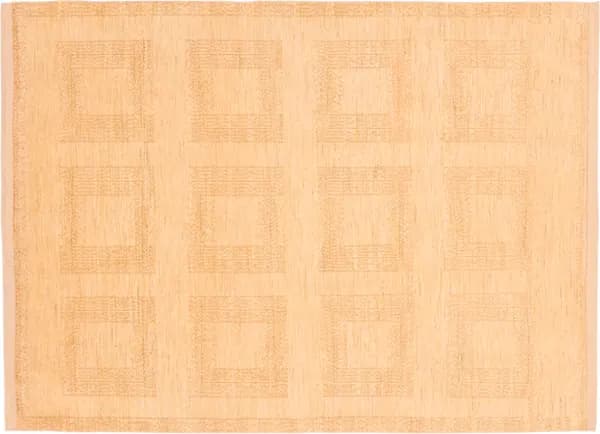
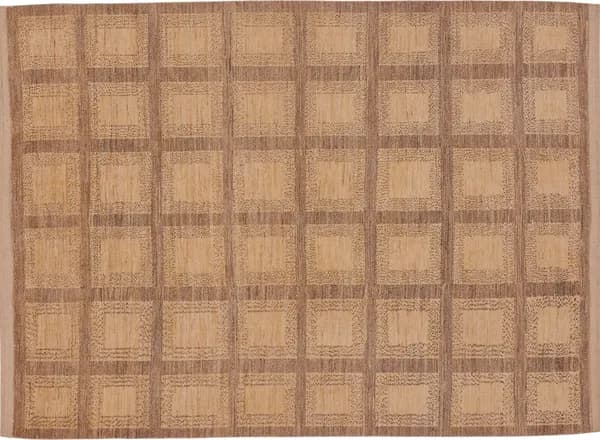
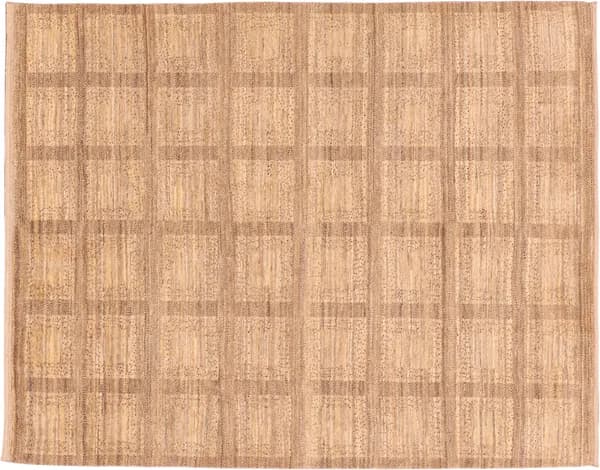
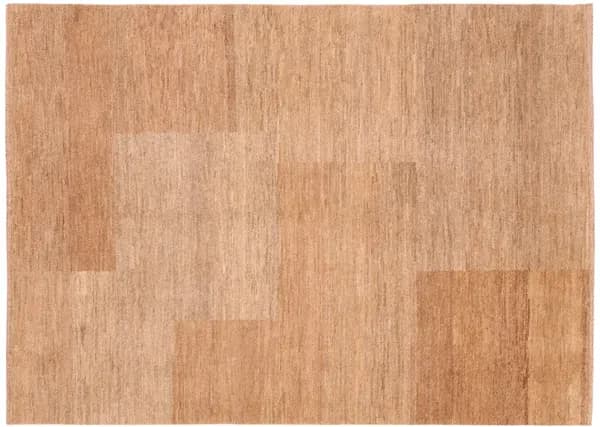
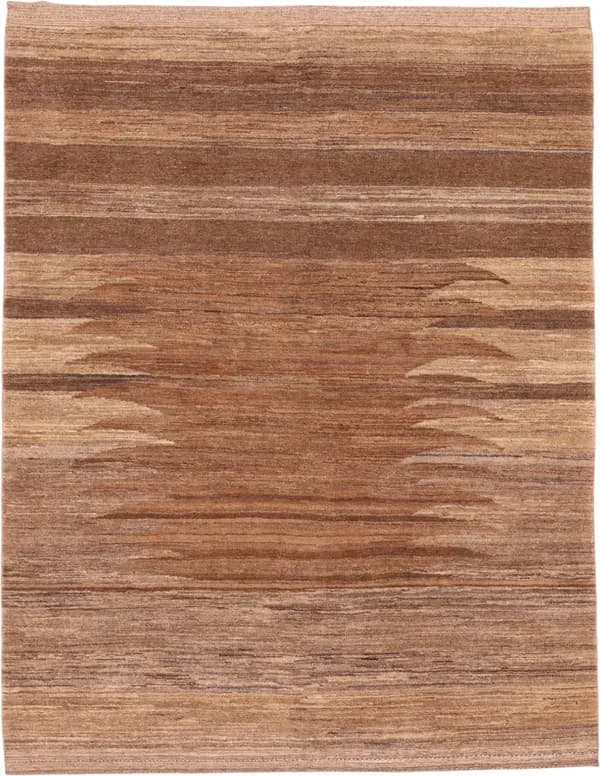
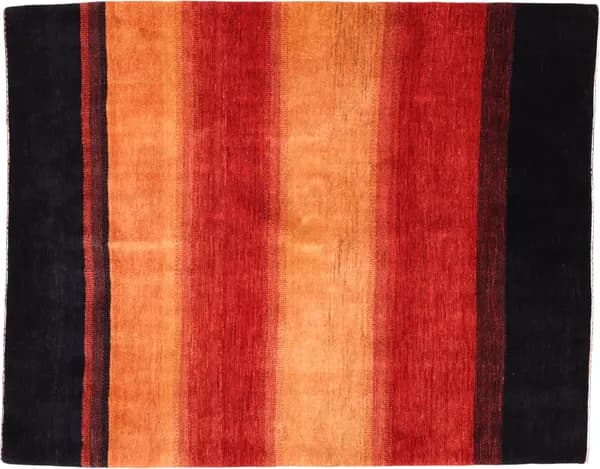
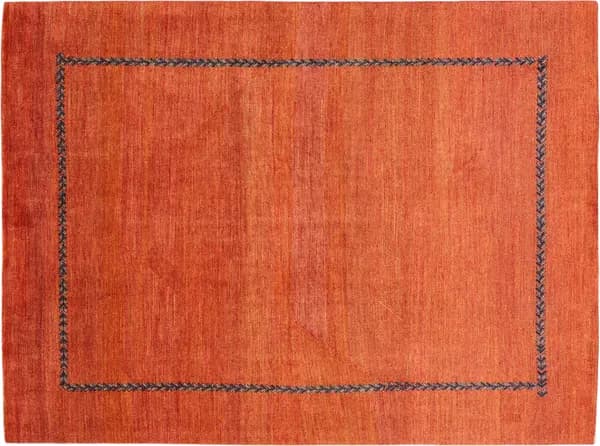
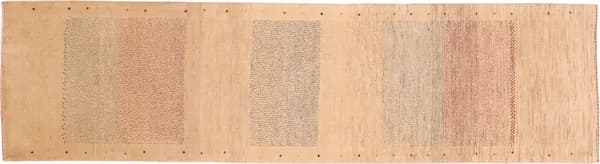
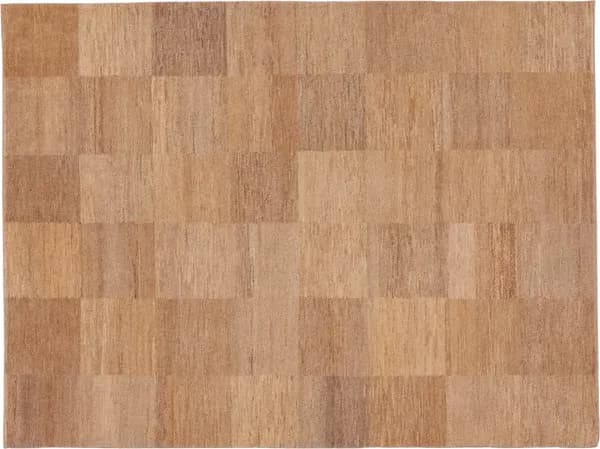
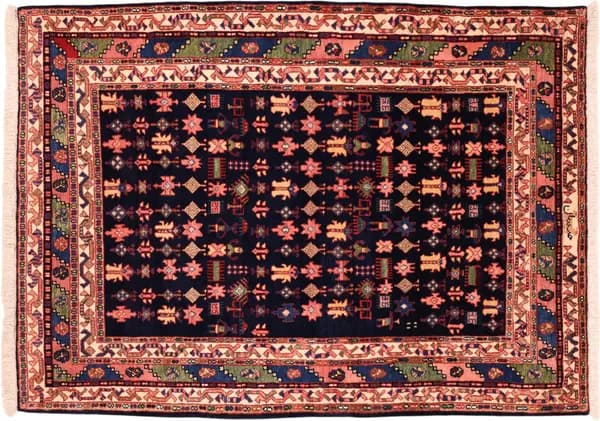
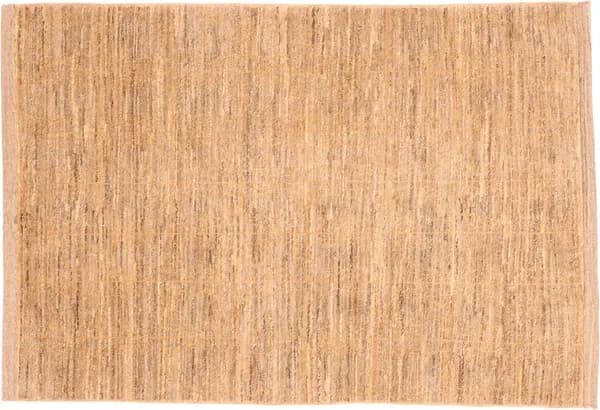
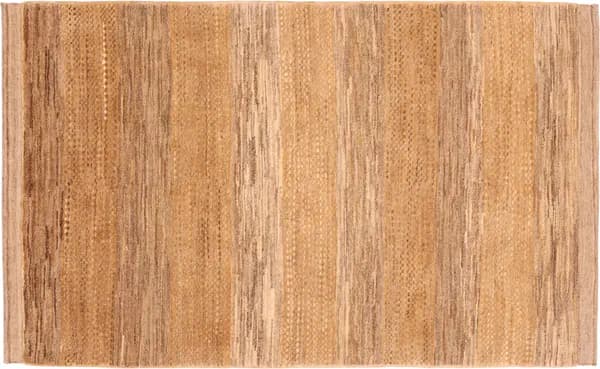
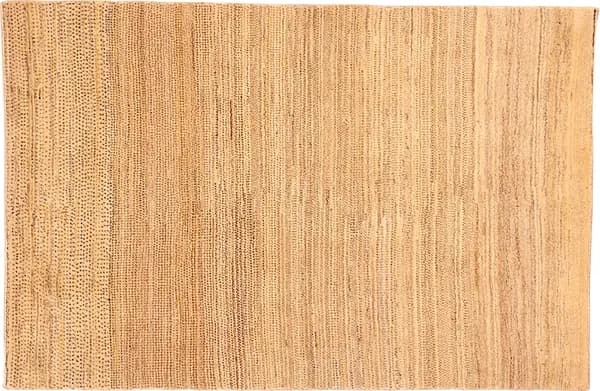
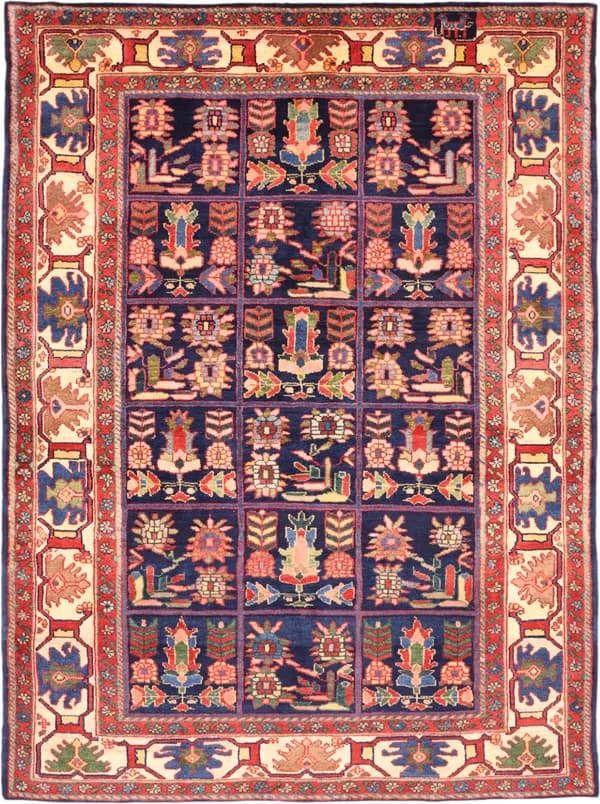
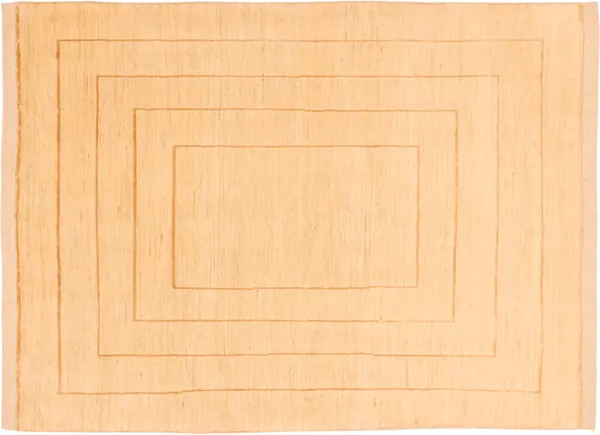
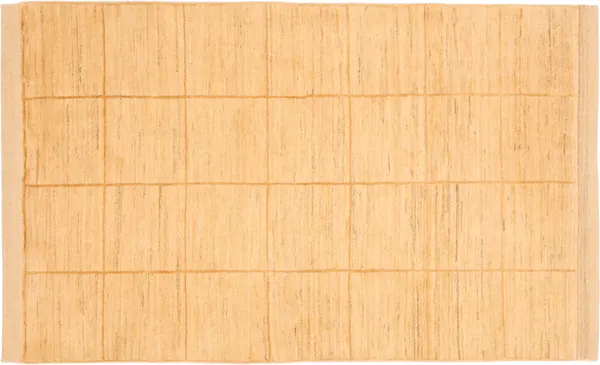
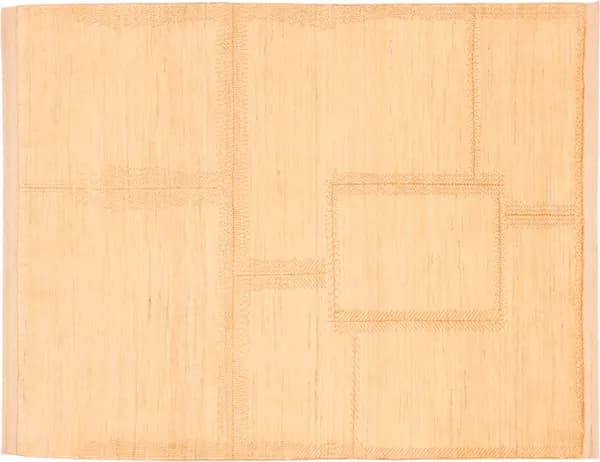
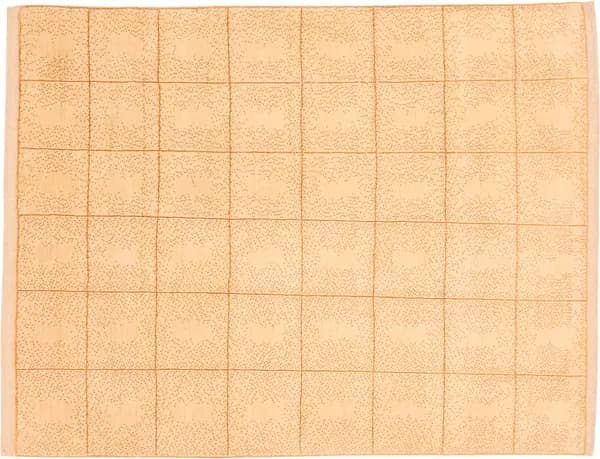
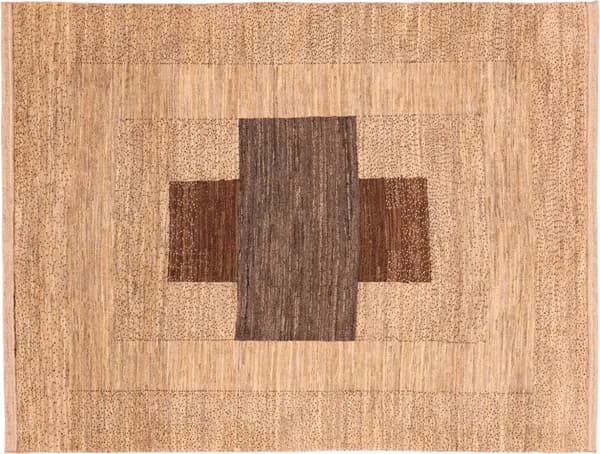
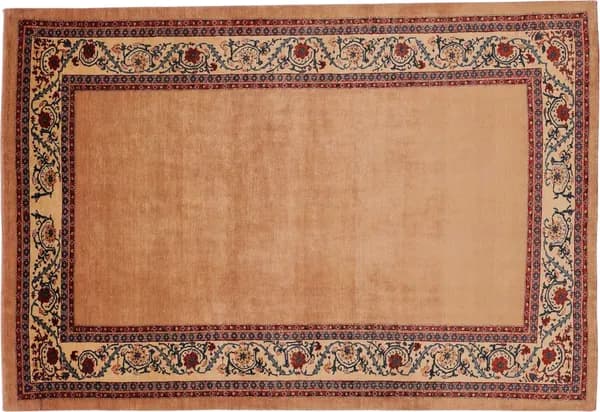
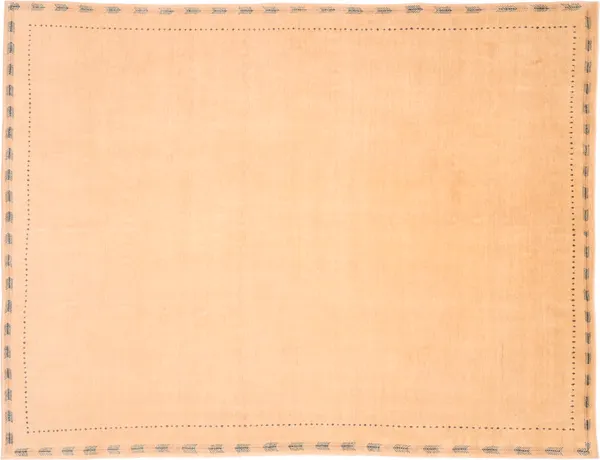
What is not traditional is the design. Instead of the dense geometric field a Lori weaver would once have made, these rugs are pared right back — often a single ground colour with a narrow border, sometimes nothing but the field.
That combination is unusual and it is the reason to buy one. You get a genuinely hand-knotted nomadic rug that does not read as a historical quotation in a modern room.
Why a plain field is not plain
A machine-made rug in one colour is exactly one colour. A hand-knotted one in handspun, naturally dyed wool never is.
The wool takes dye unevenly because the fibre itself varies, and each dye bath differs slightly from the last. Across a large plain field this produces soft horizontal bands and shifts — abrash — that move as the light changes.
This is the whole appeal of the type, and it is worth knowing before you buy: if you want a flat, uniform colour, this is the wrong rug. If you want a surface with depth in it that a printed textile cannot imitate, it is exactly the right one.
- Wool warp — matt, slightly crimped fringes.
- High density for nomadic work at around 250,000 knots.
- Pared-back fields, often close to plain.
- Abrash — soft colour shifts across the field — is the point.
- Around 11 mm of pile — soft underfoot without building up.
Which room a Lori-Pars suits
The common format around 230 by 165 centimetres sits in front of a sofa, in a bedroom, or in a study. Larger pieces are woven and carry a seating group.
The quiet field makes this one of the few hand-knotted traditions that does not fight a modern interior. Where a strongly patterned Persian rug immediately dominates a minimal room, a Lori-Pars settles into it.
The wool warp makes the rug supple and it lies softly, but on a very smooth floor a lighter piece will travel. An anti-slip underlay is worth having.
Care
Vacuum along the pile, without a rotating brush — on a wool warp the brush pulls at the fringes.
Blot spills at once with clear water and a light cloth, working from the outside in. On a plain field a rubbed patch is more visible than on a patterned one, so blot rather than rub.
Never comb or brush the fringes; they are the warp and structural.
Lori-Pars or Sarough?
Two ways to fill a floor: one modern and quiet, one classical and patterned.
| Criterion | Lori-Pars | Sarough |
|---|---|---|
| Design | pared back, often plain | all-over, floral |
| Warp | wool | cotton |
| Form stability | supple, can ripple | stable, lies flat |
| Handle | very soft, elastic, lustrous | soft, more matt |
| Suits | modern rooms | classical rooms |
Common questions
Is a Lori-Pars a real nomadic rug?
Yes. Wool warp, handspun wool, portable loom — the technique is unchanged. Only the design brief is modern, and that is a choice about drawing rather than about how the rug is made.
Why does the colour vary across the field?
It is abrash: handspun wool takes dye unevenly and no two dye baths match exactly. Across a plain field this shows as soft bands that shift with the light. On this type of rug it is the reason to buy rather than a fault to accept.
Will it slip on a hard floor?
It can. A wool-warp rug is supple and a lighter piece travels on smooth boards or tile. An anti-slip underlay solves it and also stops the edges curling.
How is it different from a Gabbeh?
Both are Zagros nomadic rugs on a wool warp, but a Lori-Pars is roughly three times as densely knotted with half the pile height. A Gabbeh is thick and soft; a Lori-Pars is finer and flatter.
Does the plain field show wear more?
Slightly, in the sense that there is no pattern to distract the eye. In practice the deep handspun pile wears evenly, and the abrash already gives the field variation that hides ordinary use.