Why coarse and thick is not a criticism here
For most types of rug a high knot density is a mark of quality. For a Gabbeh it is not — it would contradict the category. The word itself says so: gabbeh means something like raw, unworked, unshorn.
The purpose lies in the use. A Gabbeh was knotted by nomadic families for their own tent and hut floors, as a surface to sit and sleep on over hard, cold ground. That does not call for fine drawing; it calls for substance — thick wool, deep pile, warmth and padding.
Eighteen millimetres of pile at eighty thousand knots delivers exactly that. The rug gives underfoot, insulates against a cold floor, and absorbs footfall rather than showing it. Nobody looking for those properties will find them in a finer type — the fineness would cost precisely the substance that is the point.
The drawing, and why there is so little of it
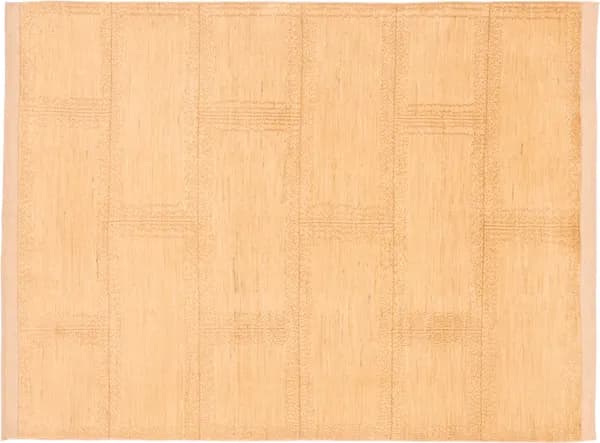
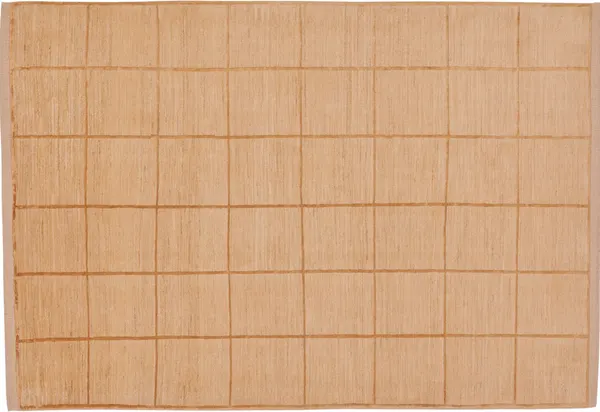
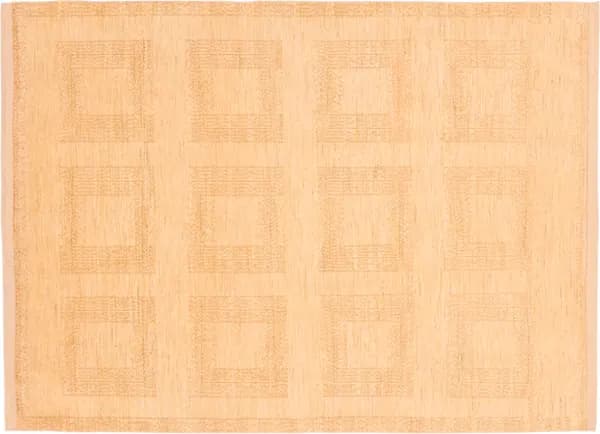
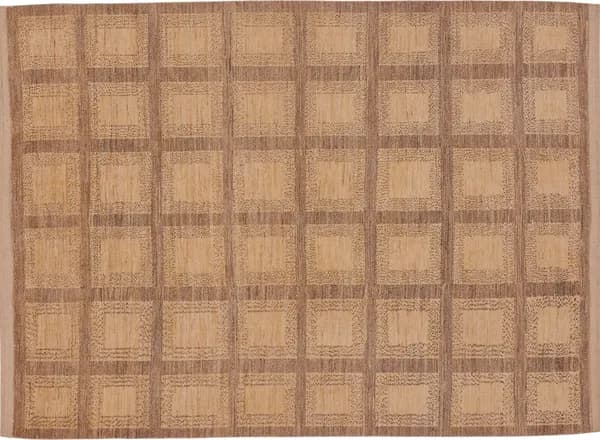
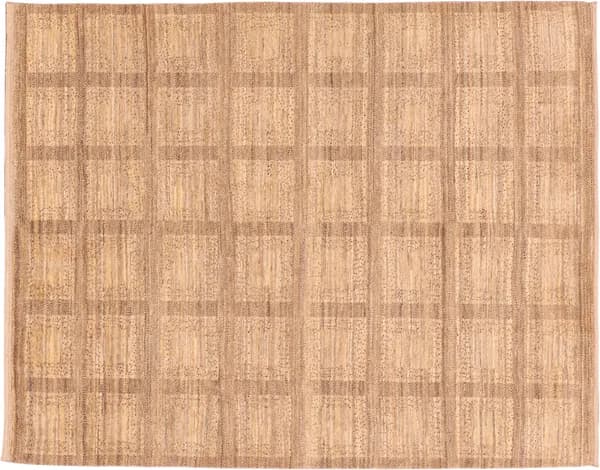
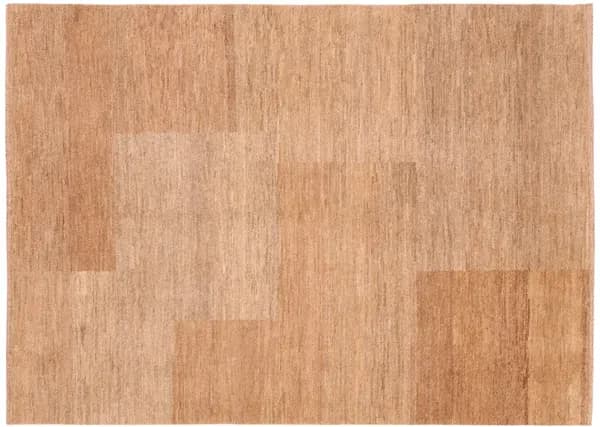
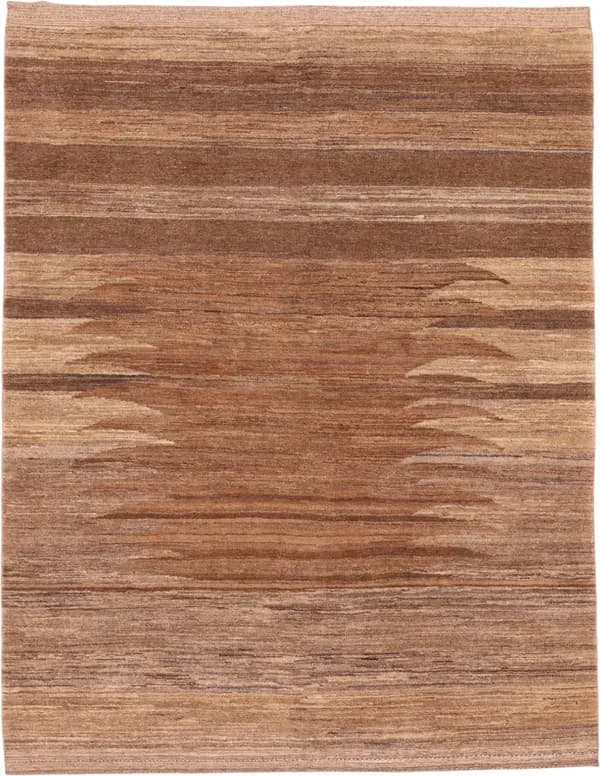
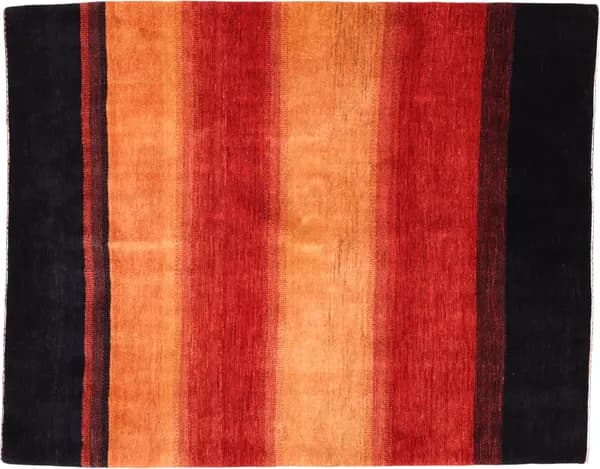
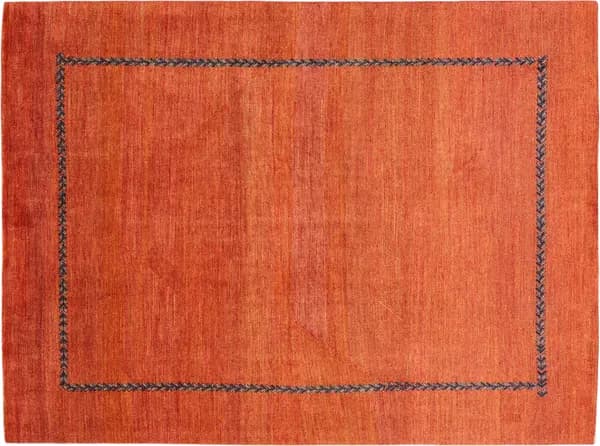
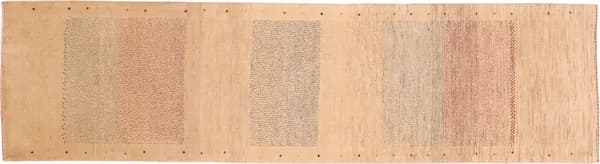
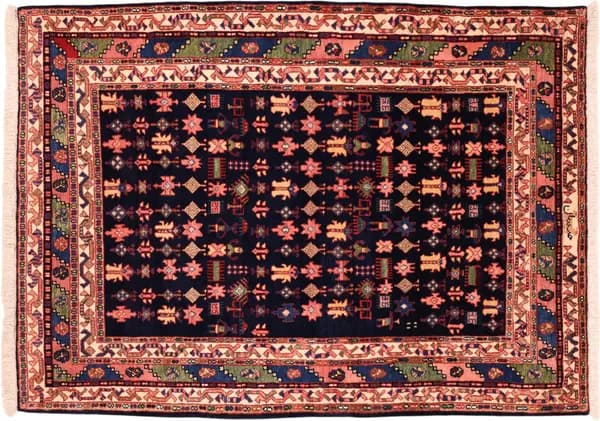
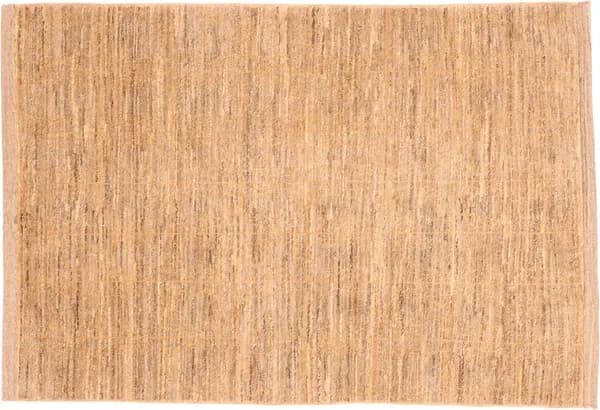
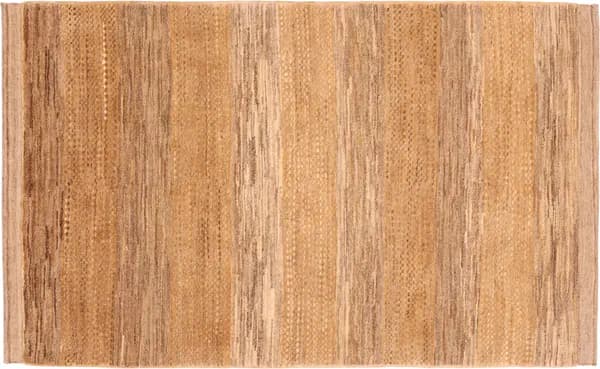
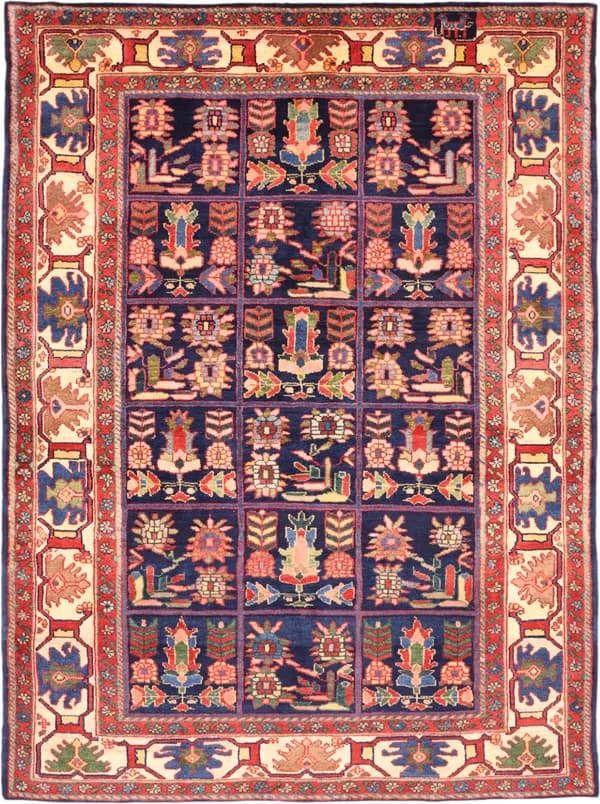
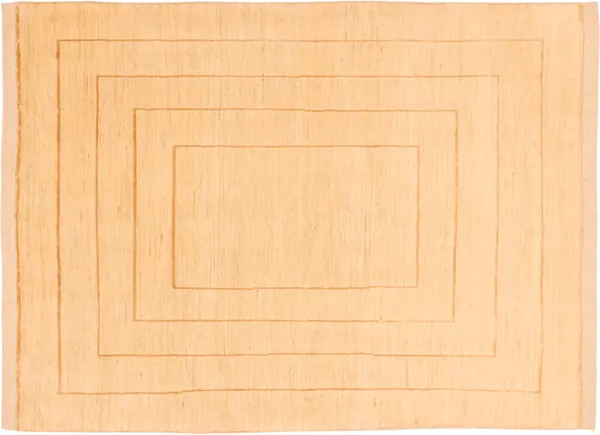
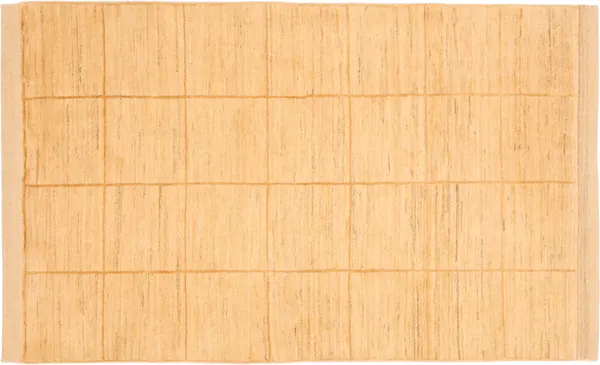
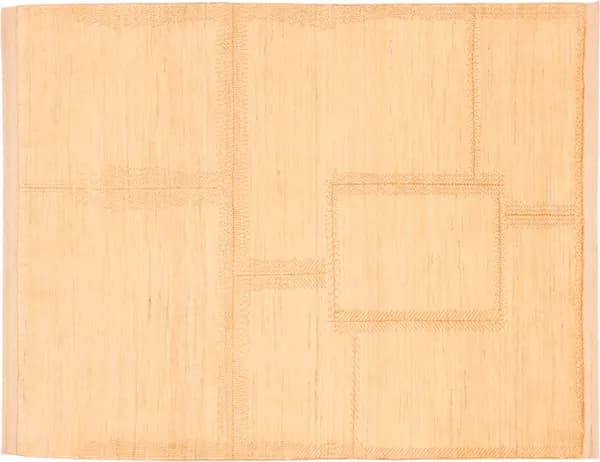
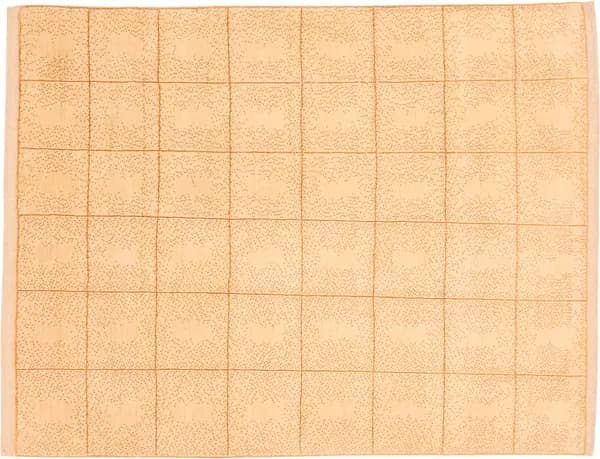
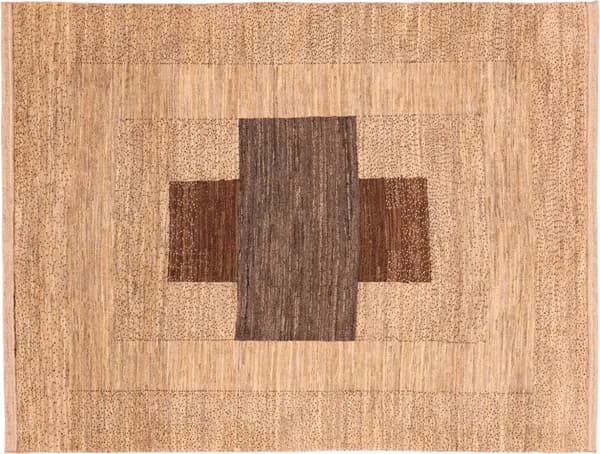
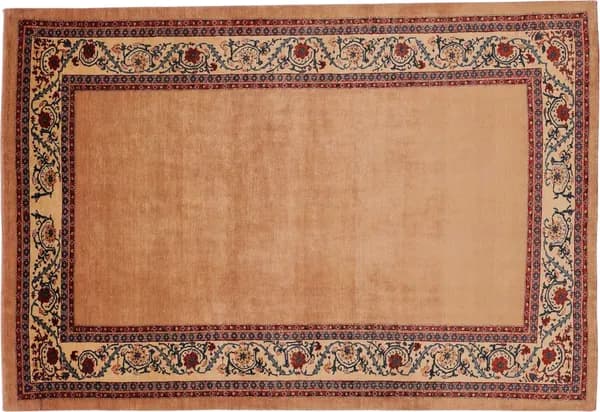
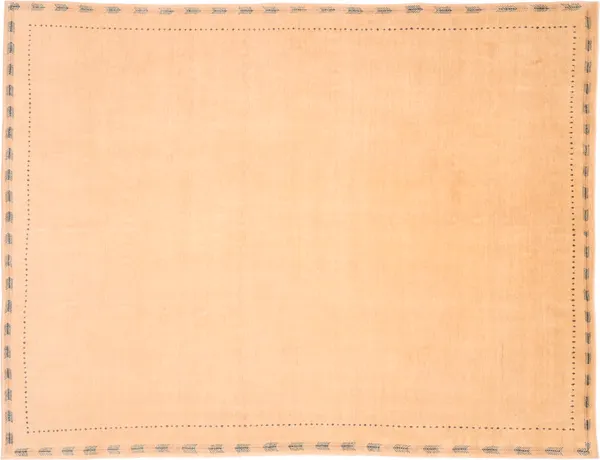
A classical Persian rug is full: medallion, spandrels, several borders, a drawn ground. A Gabbeh is the opposite. Often a single field of colour, perhaps a few stylised animals or trees, sometimes no border at all.
That is partly technical — at eighty thousand knots fine ornament cannot be set — and partly intentional. The weavers work without a cartoon, from memory and from the moment. What emerges is closer to a free composition than to an executed design.
For a contemporary room that is a piece of luck. A Gabbeh is one of the few traditionally knotted rugs that does not read as a foreign object in a modern, pared-back interior — with the nomadic construction entirely unchanged.
- Wool warp — matt, slightly crimped fringes instead of smooth cotton.
- Very high pile of around 18 mm, noticeably springy underfoot.
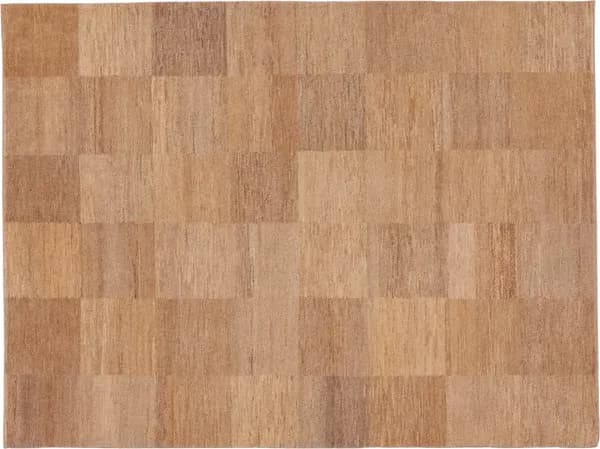
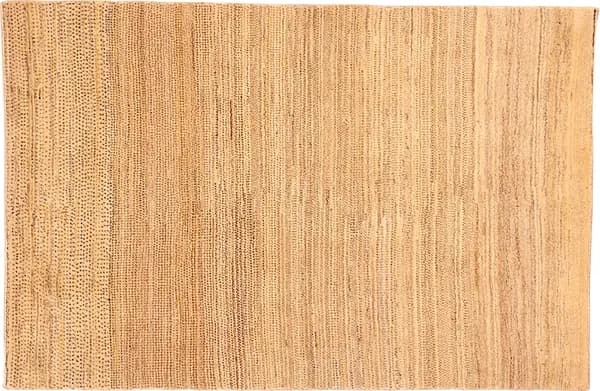
- Flat colour fields, sparse drawing, often no border.
- Soft colour gradients within a field are abrash and speak for natural dyes.
- Large formats, frequently over eight square metres.
Which room a Gabbeh suits
The large formats and the thick pile make a Gabbeh a living-room rug in the full sense: it carries an entire seating group with every furniture leg on it, and it defines the area where life happens.
Underfoot it is soft and warm. On a cold stone floor that is a difference you feel, and in a room where children play on the floor it is another. It is a working object, not an exhibit.
Two limits. Eighteen millimetres builds up: under a door that closes close to the floor, a Gabbeh will catch. And chairs run badly on a high pile — for a dining table with frequently moved chairs, a flatter rug is the better choice.
Care
Vacuum regularly along the pile, without a rotating brush. On a high pile the temptation to use one is greatest, and it pulls fibres out without lifting more dirt.
A high pile sheds loose fibres for the first few months. That is normal for handspun wool, it stops by itself, and it says nothing about quality.
Blot spills at once with clear water and a light cloth, working from the outside in. The high lanolin content of the mountain wool leaves liquid sitting on the surface for a moment and buys time. Never comb wool fringes — they are the structural warp.
Gabbeh or Lori-Kashkouli?
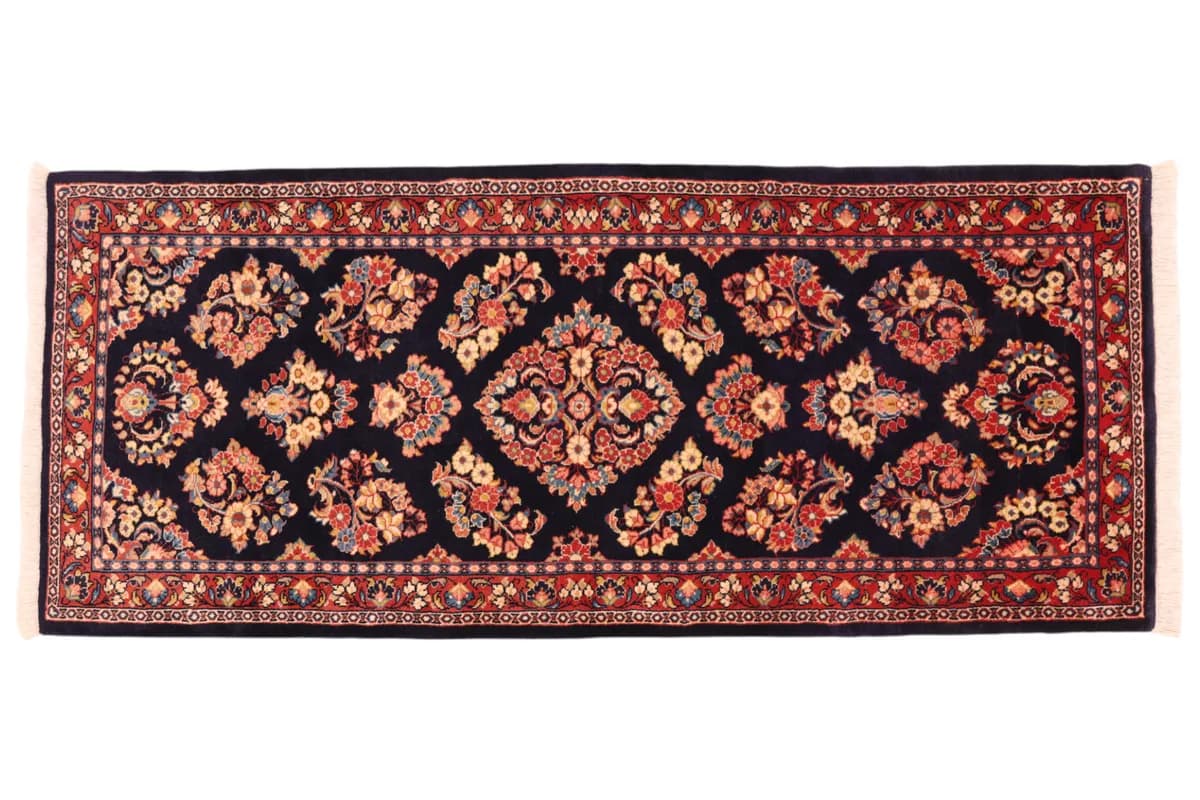
Both come from the nomads of southern Iran and both have a wool warp. They are built for opposite purposes — one for substance, one for fineness.
| Criterion | Gabbeh | Lori-Kashkouli |
|---|---|---|
| Knot density | 72,000 – 90,000 / m² | 201,000 – 250,000 / m² |
| Pile height | around 18 mm | around 12 mm |
| Typical size | often over 8 m² | 1.5 – 4.5 m² |
| Handle | soft, springy, warm | firmer, smoother |
| Use | living room, floor surface | seating corner, bedroom |
Common questions
Is a Gabbeh inferior because it is coarsely knotted?
No. For most types a high knot density is a mark of quality; for a Gabbeh it would contradict the category. The word means roughly raw or unshorn — the thick pile and coarse knotting are the purpose, not the deficiency.
Why is my new Gabbeh shedding?
On a high pile of handspun wool that is normal for the first few months. Loose fibres not caught during shearing work free as the rug is walked on and vacuumed. It stops by itself and says nothing about quality.
Does a Gabbeh work under a dining table?
Possible but not ideal. Eighteen millimetres of pile lets chairs sink in and run badly. For a dining table with frequently moved chairs a flatter rug is the better choice; for a seating group the Gabbeh is exactly right.
How do I recognise a genuine Gabbeh?
By the wool warp — the fringes are matt and slightly crimped rather than smooth and light like cotton. Add the high, soft pile and the pared-back drawing with soft colour gradients within a field, which come from naturally dyed handspun wool.
Is a Gabbeh suitable for underfloor heating?
Only partly. An 18 mm wool pile insulates noticeably and slows the heat. If the room is heated through the floor, choose a flatter rug; if you want to make a cold stone floor pleasant, the Gabbeh is right.